Options Mall logo The Formal Shirt Journal

The Material Library

Cloth, construction & character.

Two shirts can share a colour and a cut yet feel entirely different. The difference lies in the cloth and the way it is put together. This library explains what to look for, and why it matters.

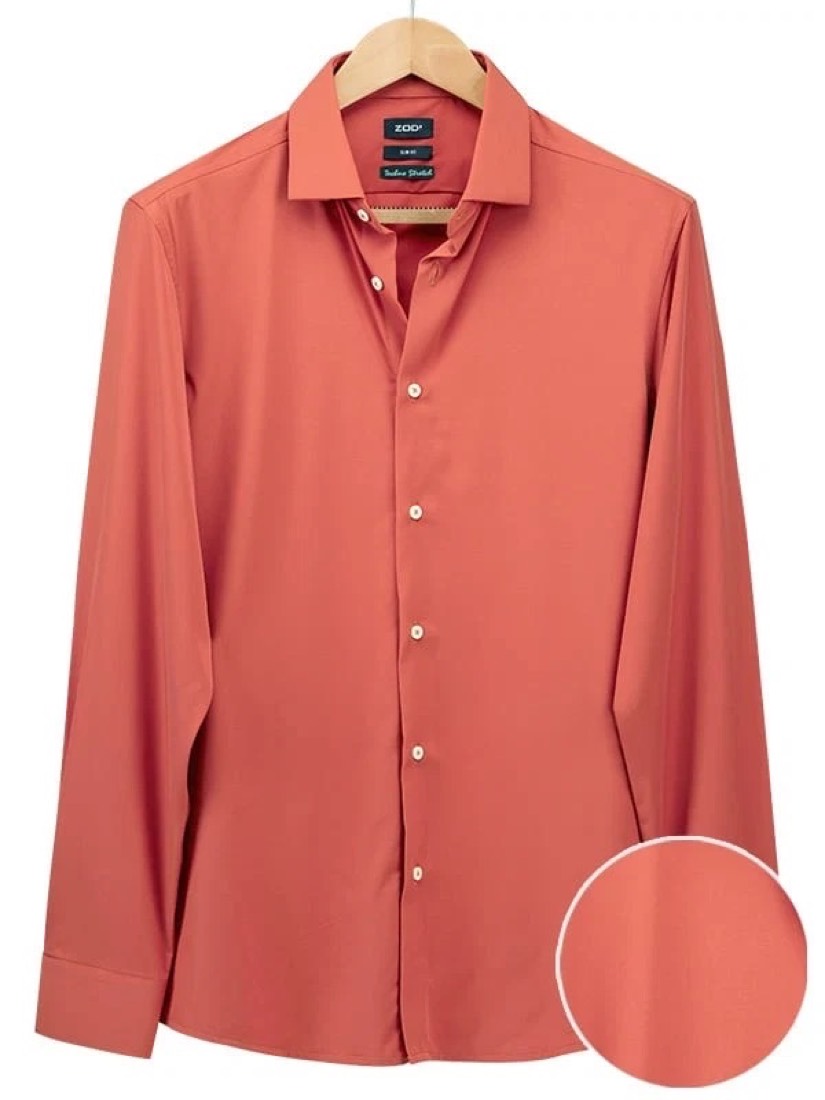
Coral formal shirt on a hanger with a circular fabric close-up
Swatch Weave, seen up close

Part One

The fabric ledger.

A general guide to the cloths most commonly used for formal shirts. Characteristics vary between mills and finishes, so treat these as principles rather than guarantees for any specific garment.

Cotton

The natural standard

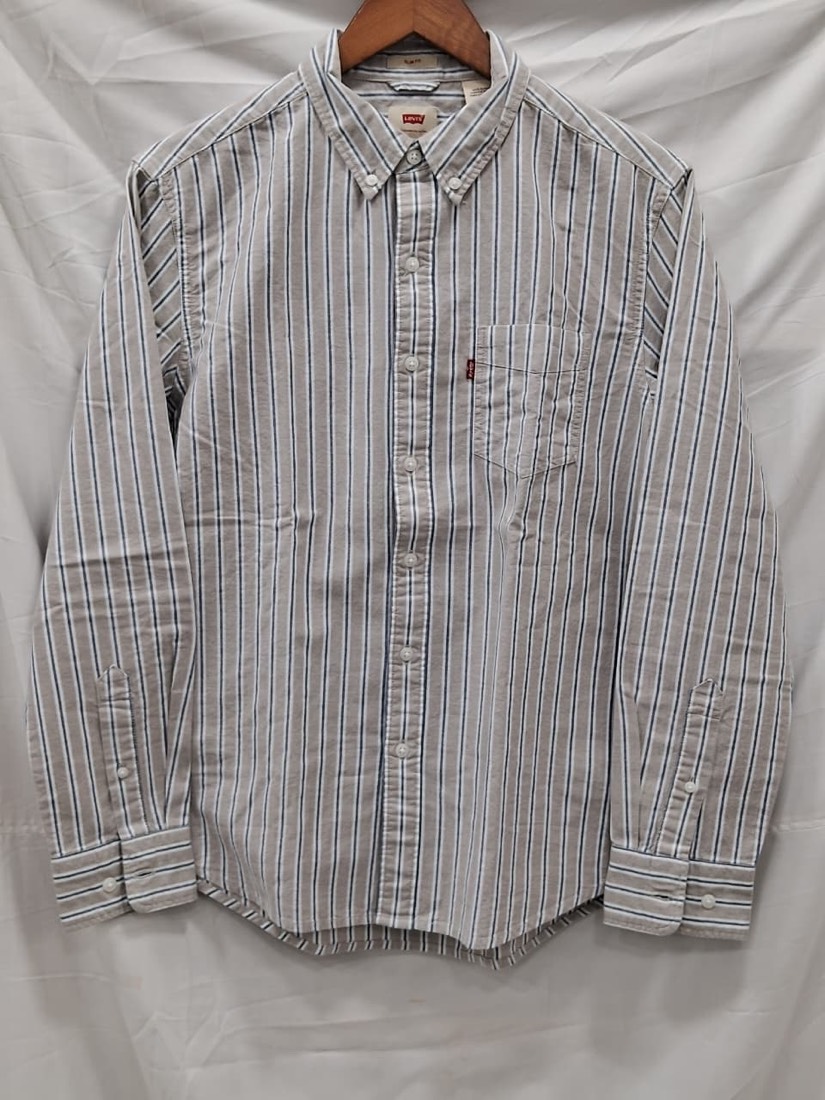
Cotton is the defining fibre of the formal shirt. It is soft against the skin, absorbs moisture, takes colour beautifully and becomes more comfortable with wear. Longer-staple cottons spin into finer, smoother yarns, producing cloth with a gentle lustre and better durability.

Hand
Soft, natural
Breathability
High
Formality
Adaptable to any level
Season
Year-round
White and grey striped cotton shirt on a wooden hanger

Cotton blends

Practical performance

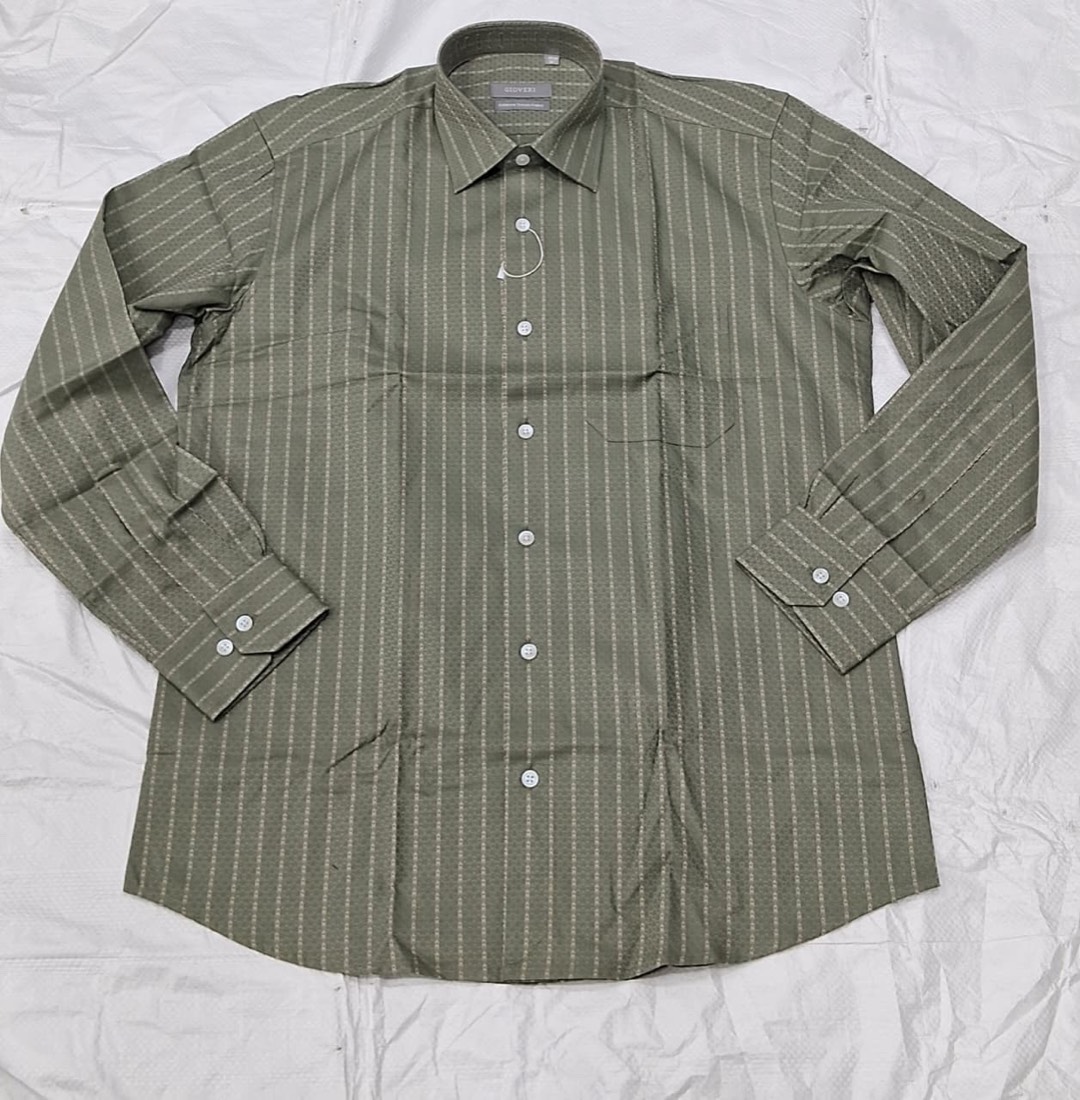
Blending cotton with fibres such as polyester, elastane or linen changes its behaviour. Polyester blends resist creasing and dry quickly; a touch of stretch adds ease of movement; linen blends add texture and airiness. Blends suit long days and travel, though pure cotton usually breathes best.

Hand
Smooth to textured
Crease resistance
Often improved
Formality
Business everyday
Season
Depends on the blend
Olive striped shirt in a blended fabric laid flat

Poplin

Smooth, crisp, formal

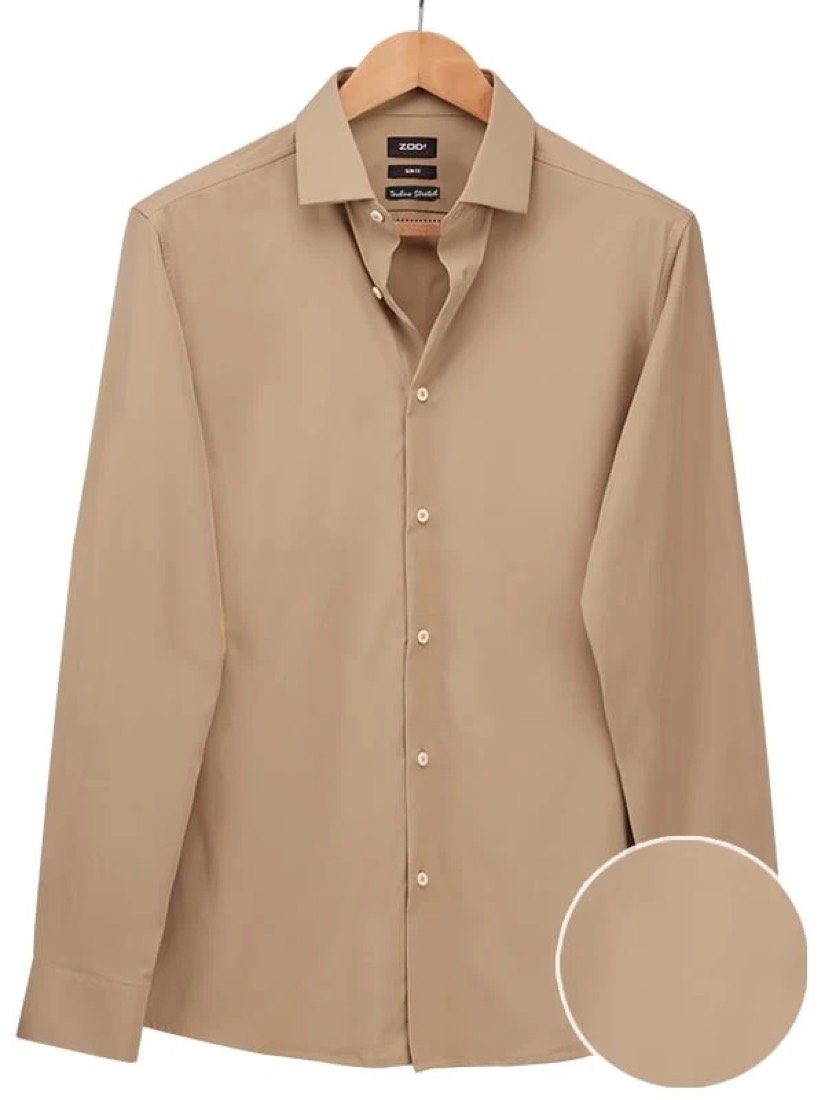
Poplin (also called broadcloth) is a tight plain weave with a flat, smooth surface and a subtle sheen. It is light, cool and looks immaculate when pressed, which makes it the classic choice for business shirts worn with suits and ties.

Hand
Smooth, cool
Surface
Flat with a slight sheen
Formality
High
Season
Year-round, ideal in warm weather
Beige smooth-weave shirt on a hanger with a fabric swatch close-up

Oxford

Sturdy and relaxed

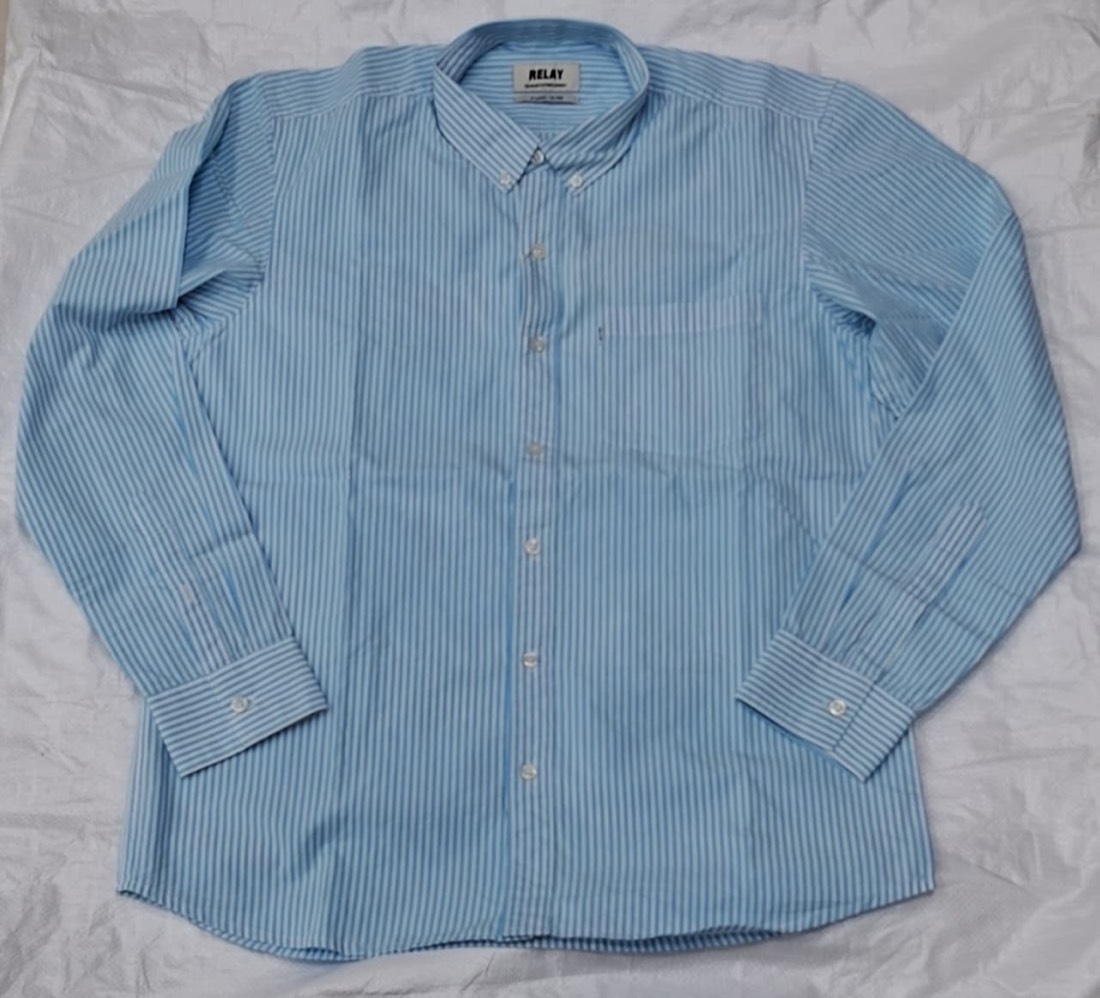
Oxford cloth uses a basketweave structure with slightly heavier yarns, giving a soft, visibly textured surface. It is durable and comfortable, traditionally made into button-down collars, and sits at the relaxed end of formal: perfect with blazers and on business-casual days.

Hand
Soft, substantial
Surface
Fine basketweave texture
Formality
Smart-casual to business
Season
Year-round
Light blue button-down shirt laid flat

Twill

Soft drape, subtle diagonal

Twill weaves create fine diagonal ribs across the cloth. The result drapes softly, resists wrinkles better than many plain weaves and often has a gentle sheen. Herringbone is a twill variation where the diagonal reverses to form a chevron.

Hand
Soft, fluid
Surface
Diagonal rib, light sheen
Formality
Business to evening
Season
Cooler months especially
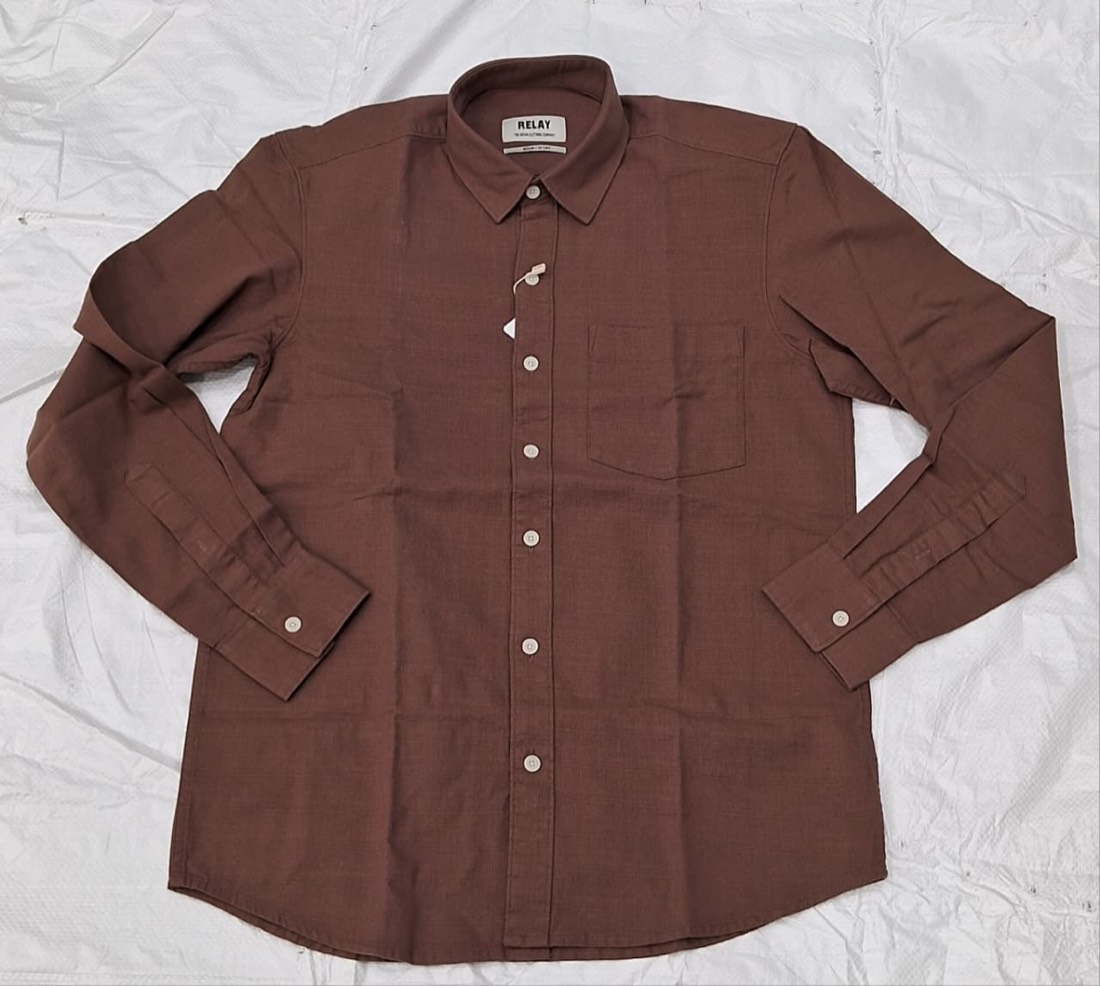
Brown shirt with a soft woven finish laid flat

Textured fabrics

Depth you can see

Dobby, jacquard, slub, seersucker and linen-like weaves all add surface interest. Texture makes a solid shirt feel richer and less formal, hides creases well and photographs with dimension. Reserve the boldest textures for business-casual settings.

Hand
Varies, often dry and airy
Surface
Raised, irregular or woven pattern
Formality
Medium
Season
Linen-like weaves suit summer
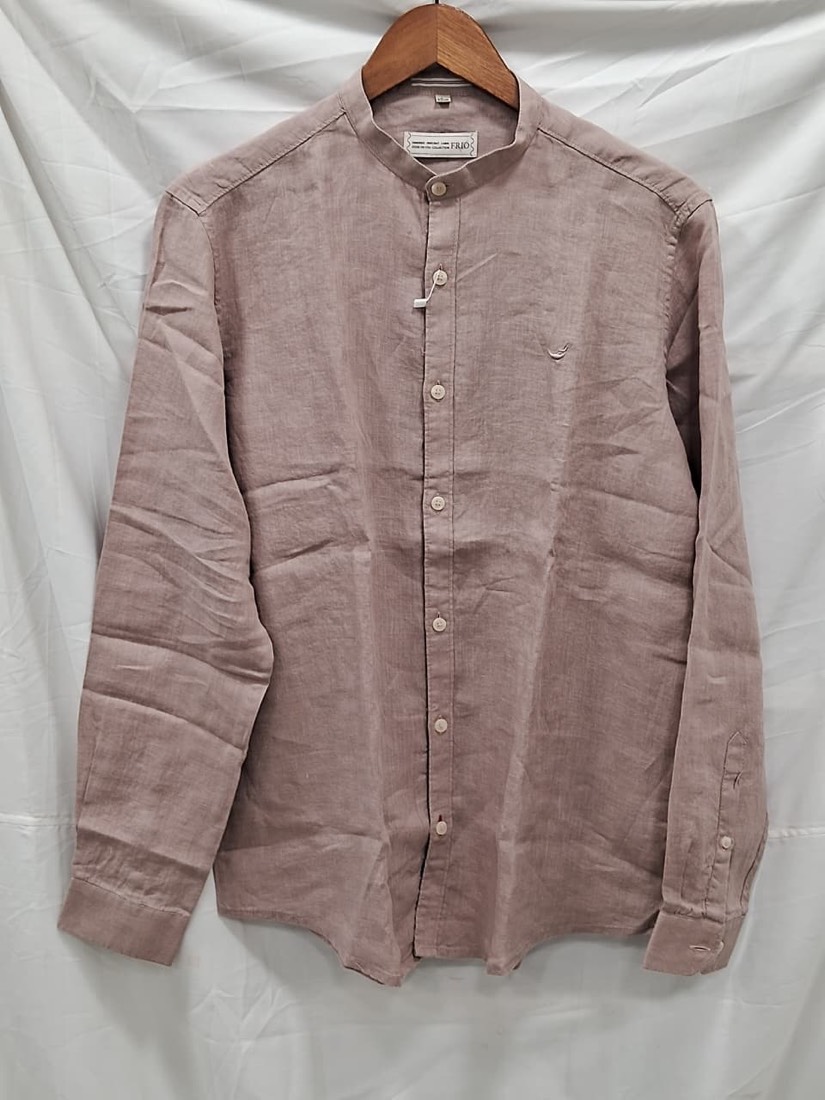
Dusty pink shirt in a textured linen-look weave on a hanger

Part Two

Fabric weight & breathability.

Weight describes how much cloth there is per square metre; breathability, how easily air and moisture pass through it. Together they decide how a shirt feels by mid-afternoon, which matters a great deal in Mumbai's warm, humid months.

Lightweight

Fine poplins, voiles and linen blends. Airy and cool; can be slightly sheer in pale colours.

Mid-weight

Most business shirts: twills and standard poplins. Balanced opacity, structure and comfort.

Heavyweight

Oxfords, flannels and denim-like cloths. Warmer and sturdier; better suited to casual or air-conditioned settings.

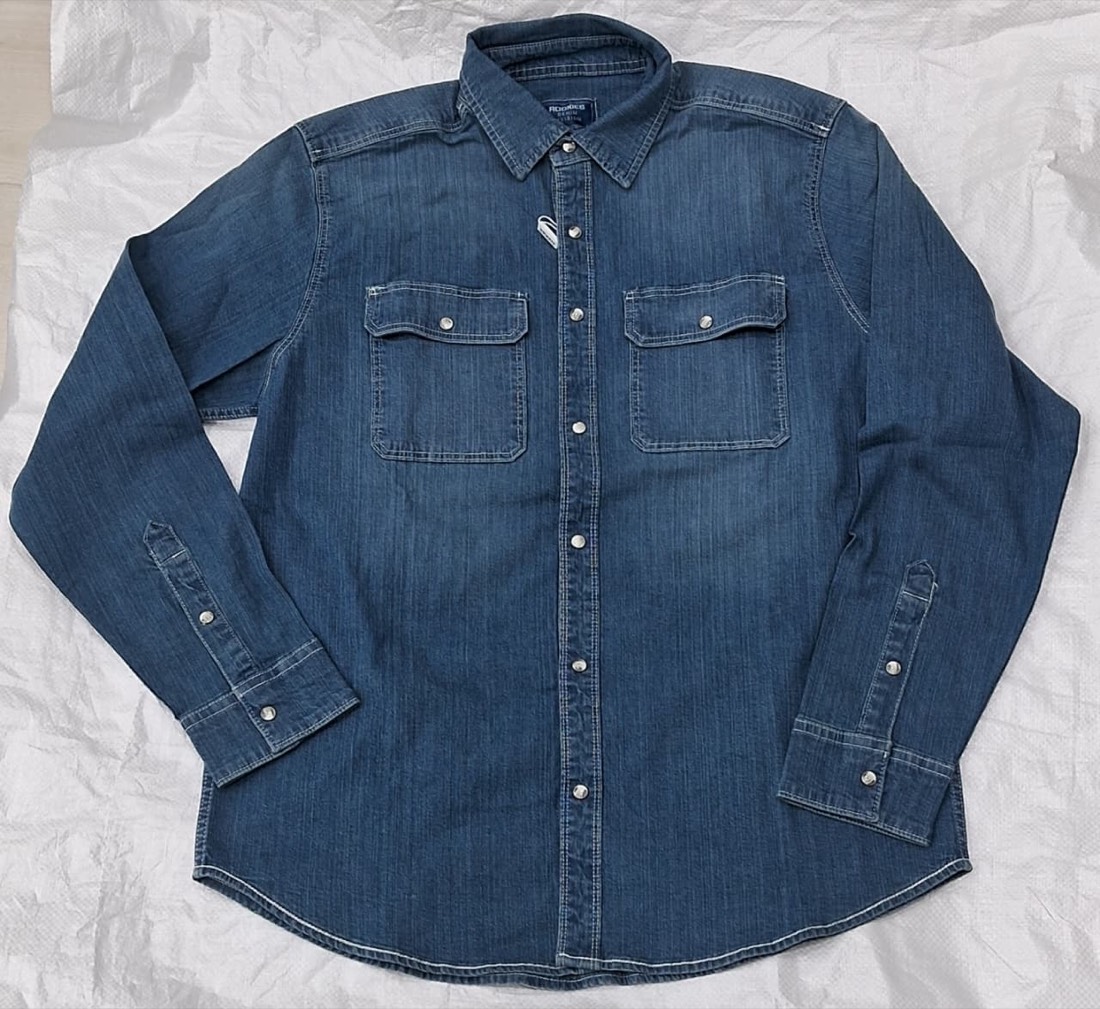
Heavyweight blue denim shirt laid flat
Heavy Dense twill, denim
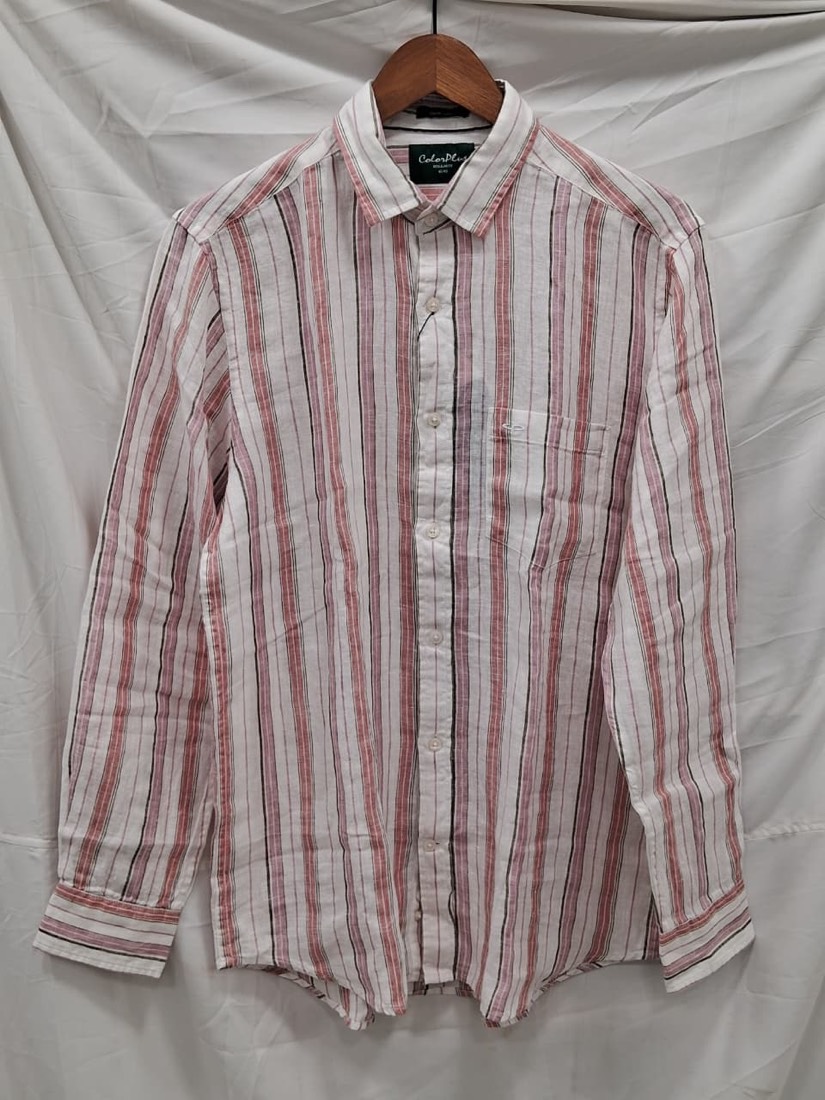
Lightweight red and white striped linen-look shirt on a hanger
Light Open, airy weave
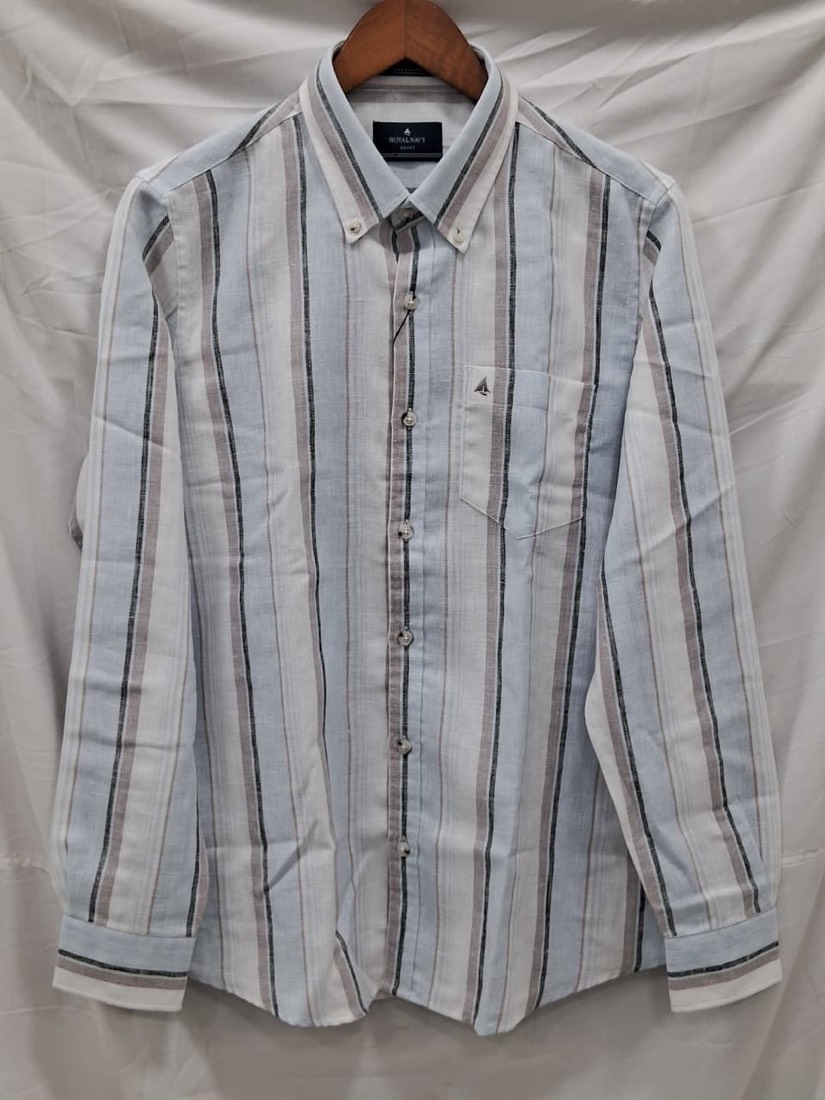
Pale blue and grey striped linen-blend shirt on a hanger

Why breathability matters

Natural fibres such as cotton and linen absorb moisture and release it into the air, helping the body stay cool. Open weaves allow more airflow than dense ones. In hot, humid weather, choose lighter cotton or linen blends in a looser weave and slightly relaxed fit.

Lighter colours reflect heat, while darker tones absorb it, a small but noticeable difference during an outdoor commute.

Part Three

Fabric maintenance.

Good care keeps colours true and collars crisp for longer. Always follow the care label on the garment first.

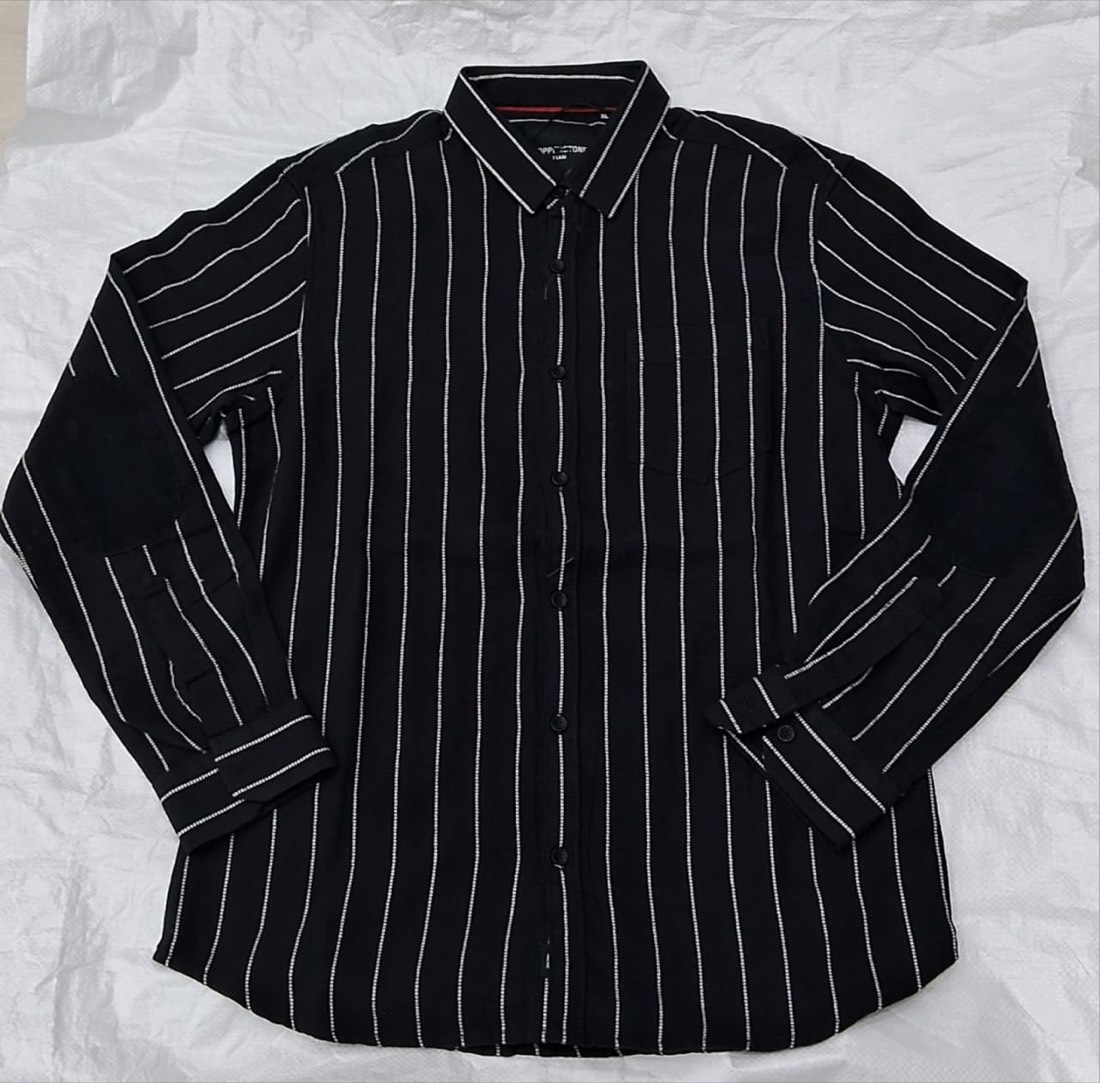
Black pinstripe formal shirt laid flat
  1. Read the label

    Care instructions differ between fibres and finishes. The label is the most reliable guide for temperature and drying.

  2. Unbutton fully

    Undo all buttons, including cuffs and collar points, before washing to avoid strain on buttonholes.

  3. Wash cool, wash similar

    Cooler washes protect colour and reduce shrinkage. Wash whites separately and darks inside out.

  4. Treat collars and cuffs

    These areas collect the most wear. A gentle pre-treatment before washing keeps them bright.

  5. Dry with care

    Hang shirts on a shaped hanger to dry. Avoid high-heat tumble drying, which can shrink cotton and weaken fibres.

  6. Iron while slightly damp

    Start with the collar, then cuffs, sleeves, yoke and body. Use the temperature suited to the fibre.

  7. Store with space

    Hang shirts with room to breathe, buttoned at the top, so collars keep their shape.

  8. Rotate your shirts

    Giving each shirt rest between wears helps the fabric recover and extends its life.

Part Four

Construction & finishing.

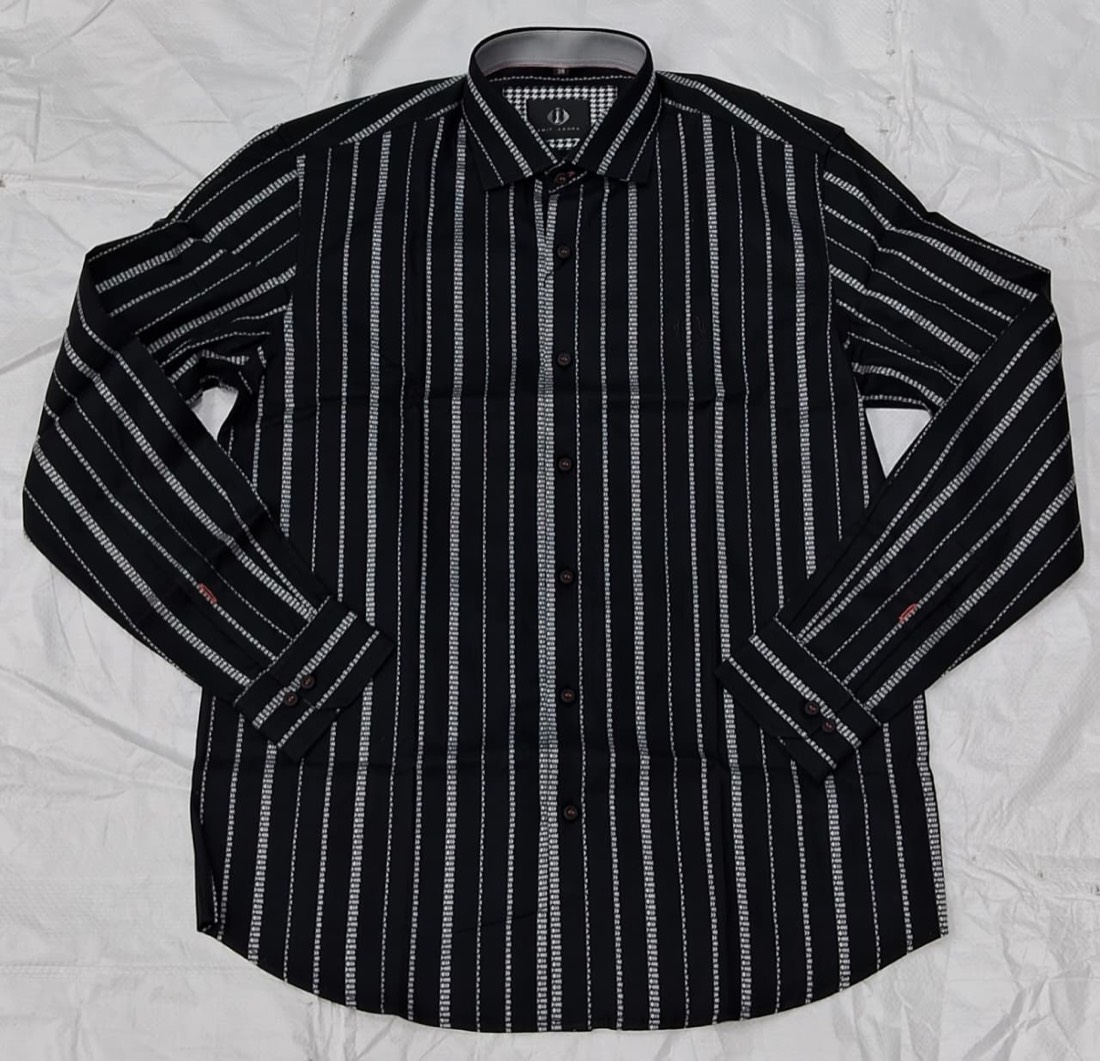
Black striped shirt with a contrast white collar laid flat
a Contrast collar

Detail one

Collar construction

The collar is the most visible part of a shirt and the hardest to make well. Inside, an interlining gives it structure: fused interlinings create a crisp, uniform finish, while floating (unfused) ones allow a softer roll. Collar stays, whether removable or sewn in, keep the points straight.

Collar shape should suit the face and the occasion: spread and cutaway collars frame wider tie knots, point collars suit narrower faces, and button-downs and band collars are more relaxed.

Point
Spread
Button-down
Band
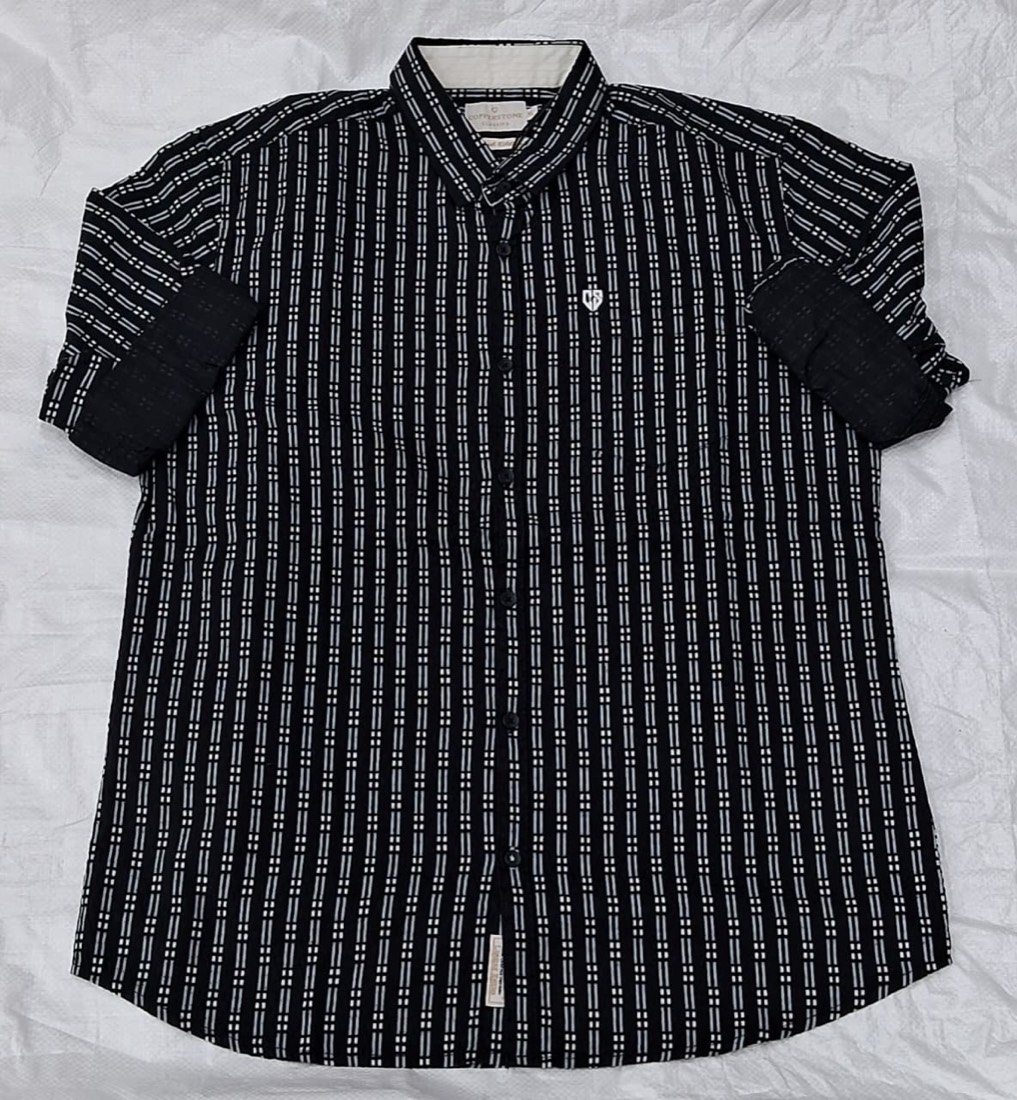
Black patterned shirt with turned-back contrast cuffs and buttons
b Cuffs & buttons

Detail two

Cuffs & buttons

Barrel cuffs fasten with one or two buttons and suit everyday wear. French (double) cuffs fold back on themselves and close with cufflinks, the most formal option. Convertible cuffs combine a button with holes for cufflinks. Some cuffs include an adjustable second button to fine-tune the fit around the wrist.

Buttons may be made from materials such as plastic, horn or shell; thicker, well-anchored buttons feel more substantial. A securely stitched button with a short thread shank fastens more easily and lasts longer.

Barrel
French
Convertible
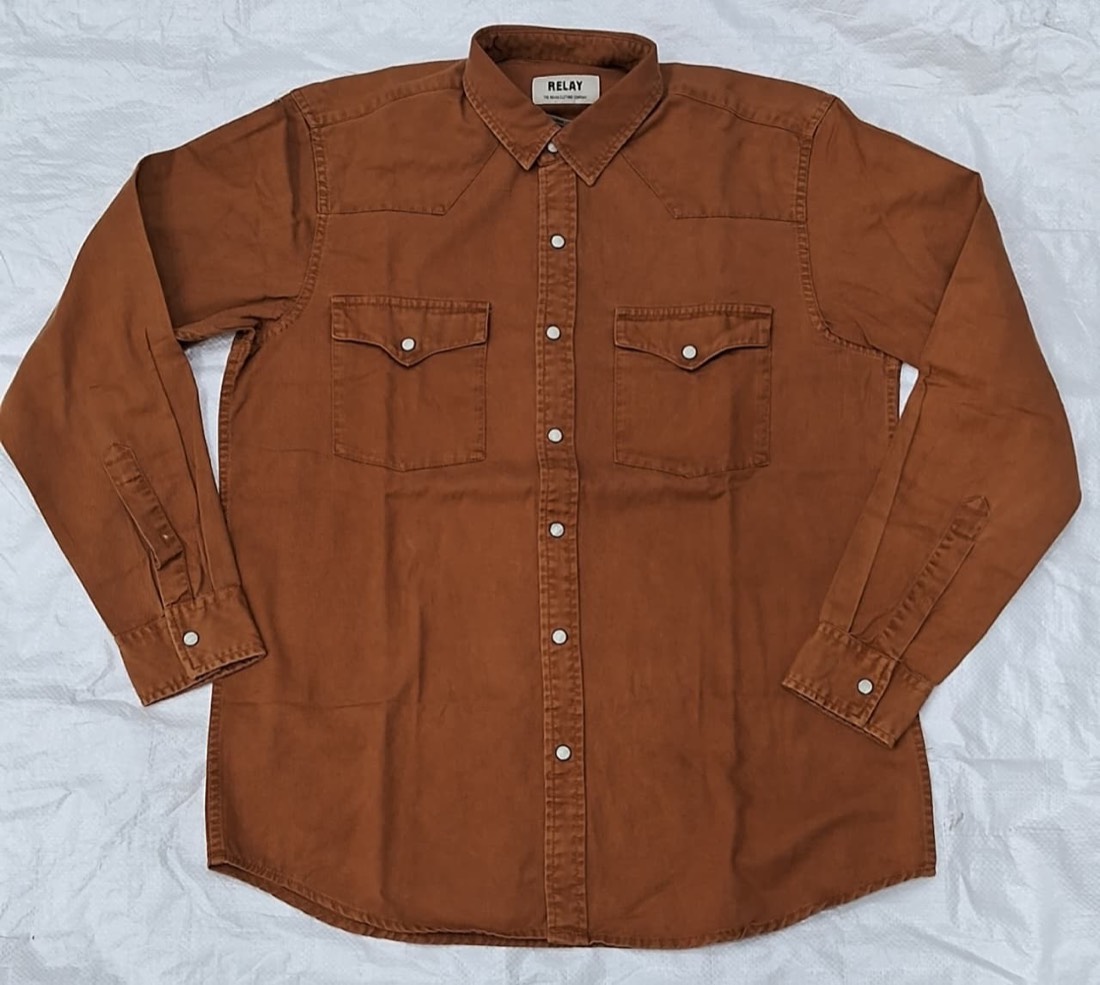
Tan shirt showing flap pockets and visible topstitching
c Topstitching & pockets

Detail three

Stitching & finishing

Look closely at the seams. A higher number of stitches per centimetre generally produces neater, stronger seams. Single-needle side seams lie flat and look clean; felled seams enclose raw edges for durability. Pattern matching, where stripes or checks align across the yoke, pocket and placket, is a sign of careful cutting.

Small finishing touches complete the picture: a split back yoke that follows the shoulders, a gauntlet button on the sleeve placket and side gussets that reinforce the hem.

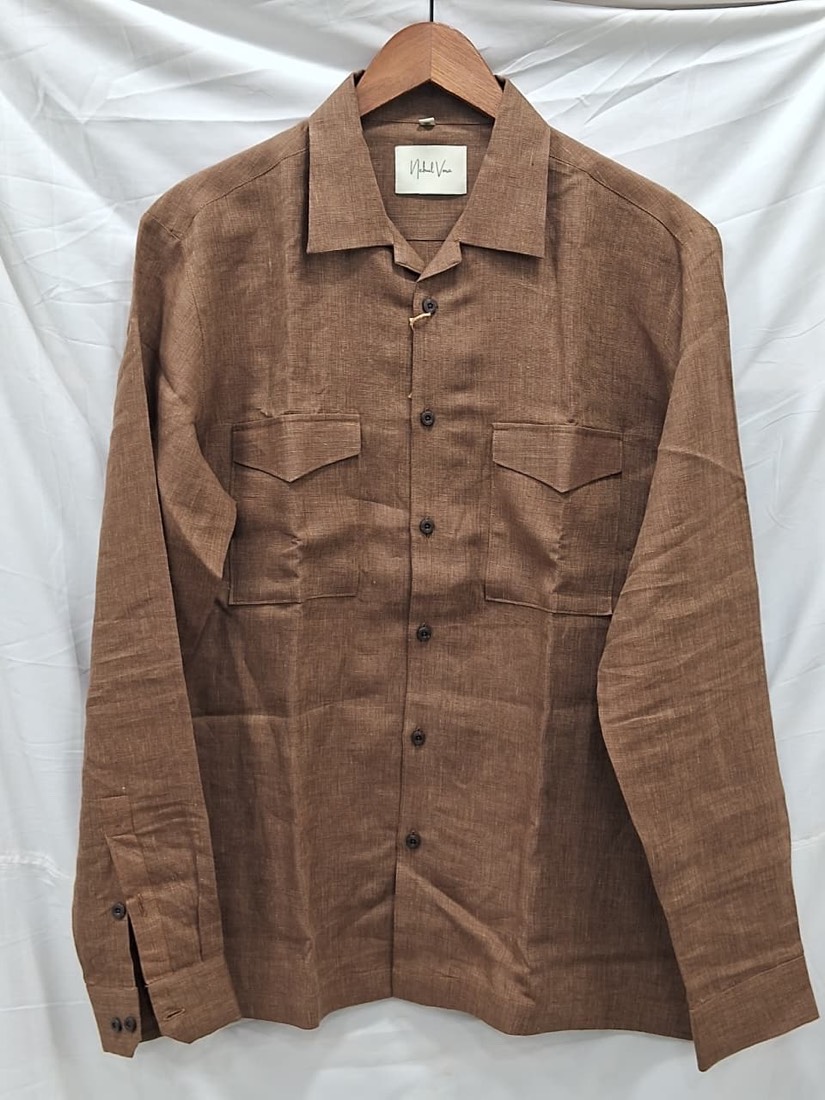
Brown textured-weave shirt with chest pockets on a hanger
Pockets, cleanly set