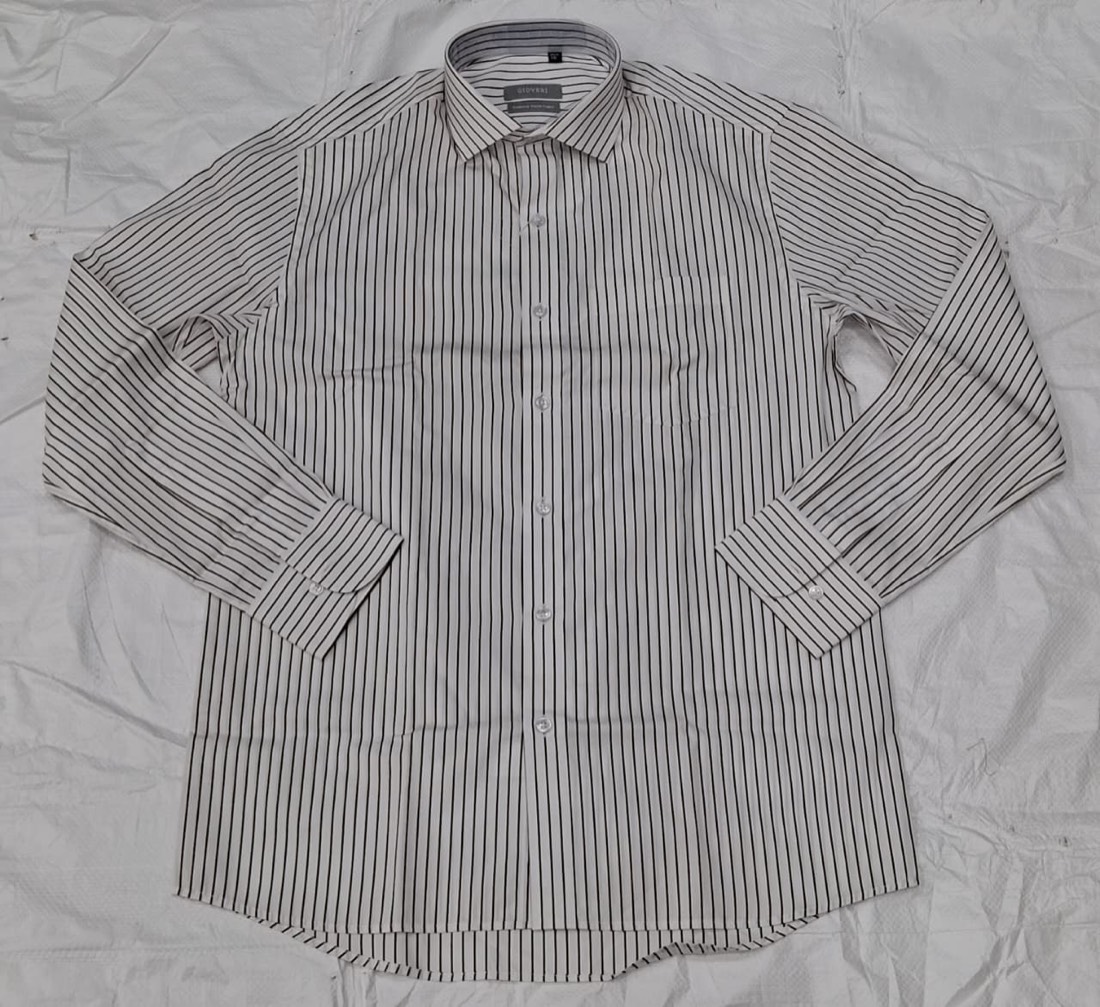
Classic White Shirts
The cornerstone of formal dressing. A white shirt frames the face, sharpens a suit and moves from boardroom to dinner without a second thought. Look for a crisp collar and a clean placket.
For every occasion The Formal Shirt Journal
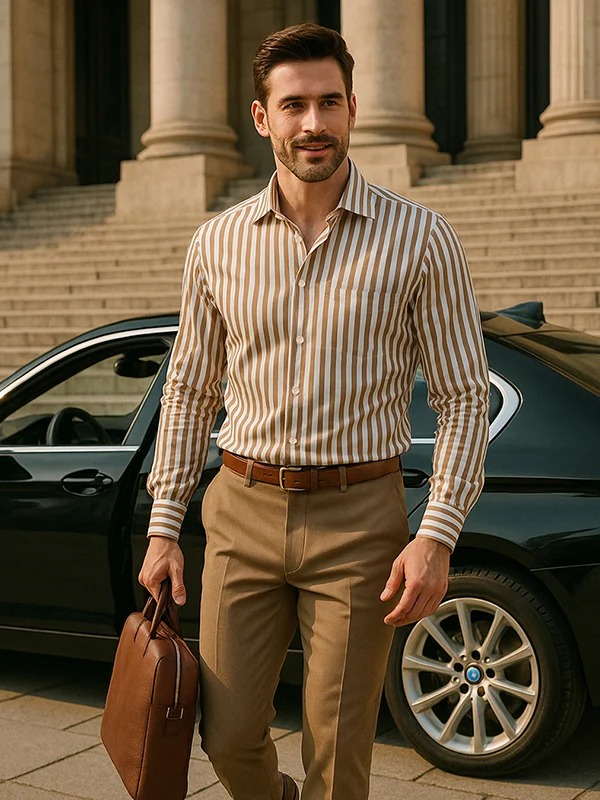
The Art of Formal Dressing
Discover the enduring appeal of men's formal shirts, where refined silhouettes, thoughtful details and contemporary styling come together to create a confident professional appearance.
Chapter One · The Formal Shirt Edit
Six expressions of the formal shirt, from the quiet authority of white to the easy confidence of a modern business cut. Each tells a different story, and every wardrobe benefits from knowing them all.
The cornerstone of formal dressing. A white shirt frames the face, sharpens a suit and moves from boardroom to dinner without a second thought. Look for a crisp collar and a clean placket.
For every occasion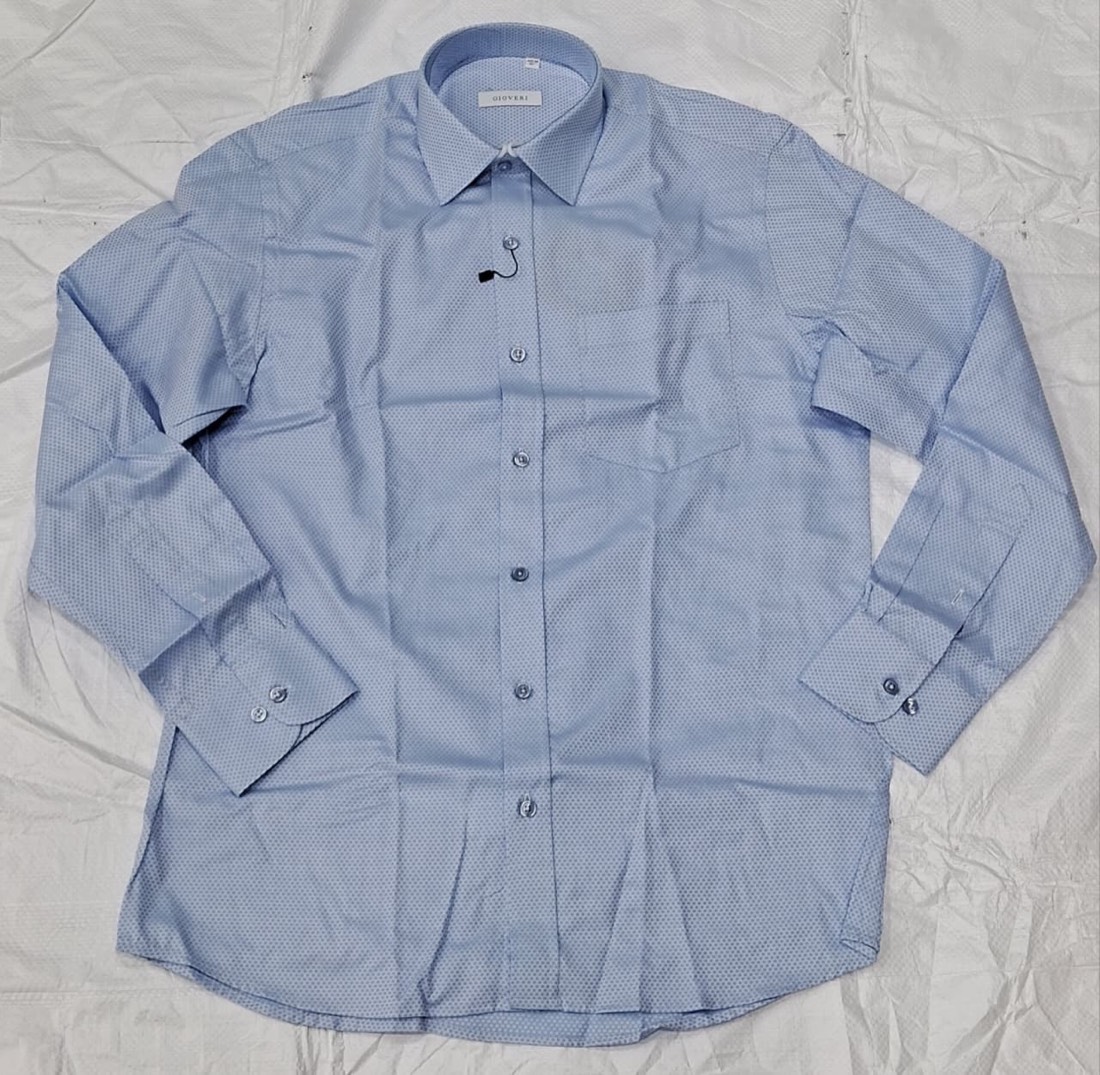
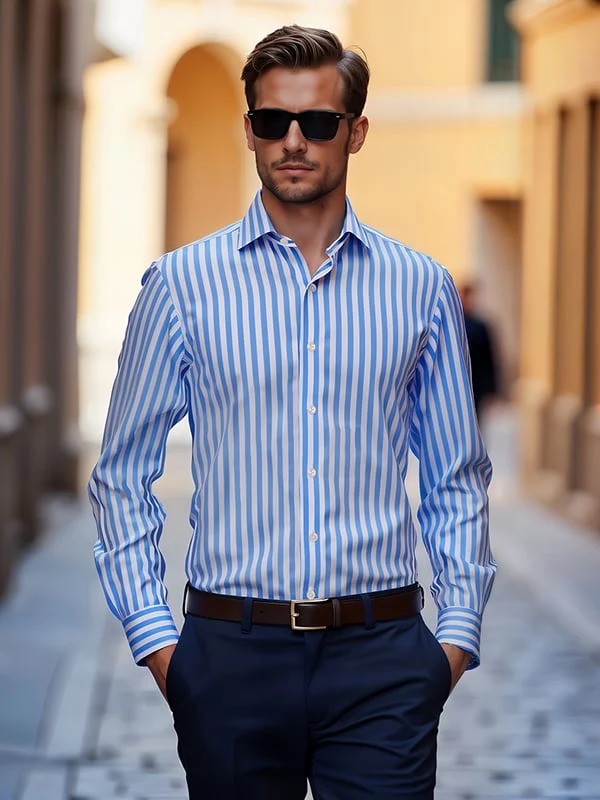
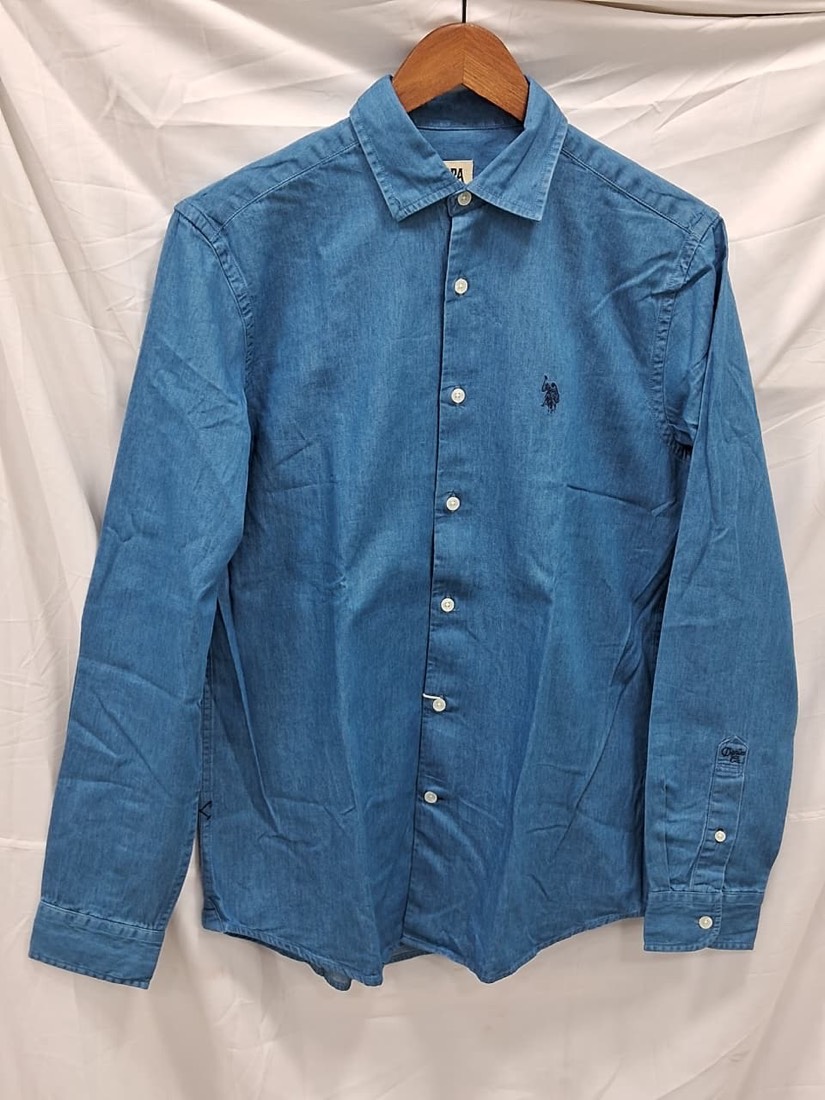
Blue reads as calm, capable and approachable. Pale sky shades flatter most complexions and sit equally well beneath navy, charcoal or grey tailoring.
The working classic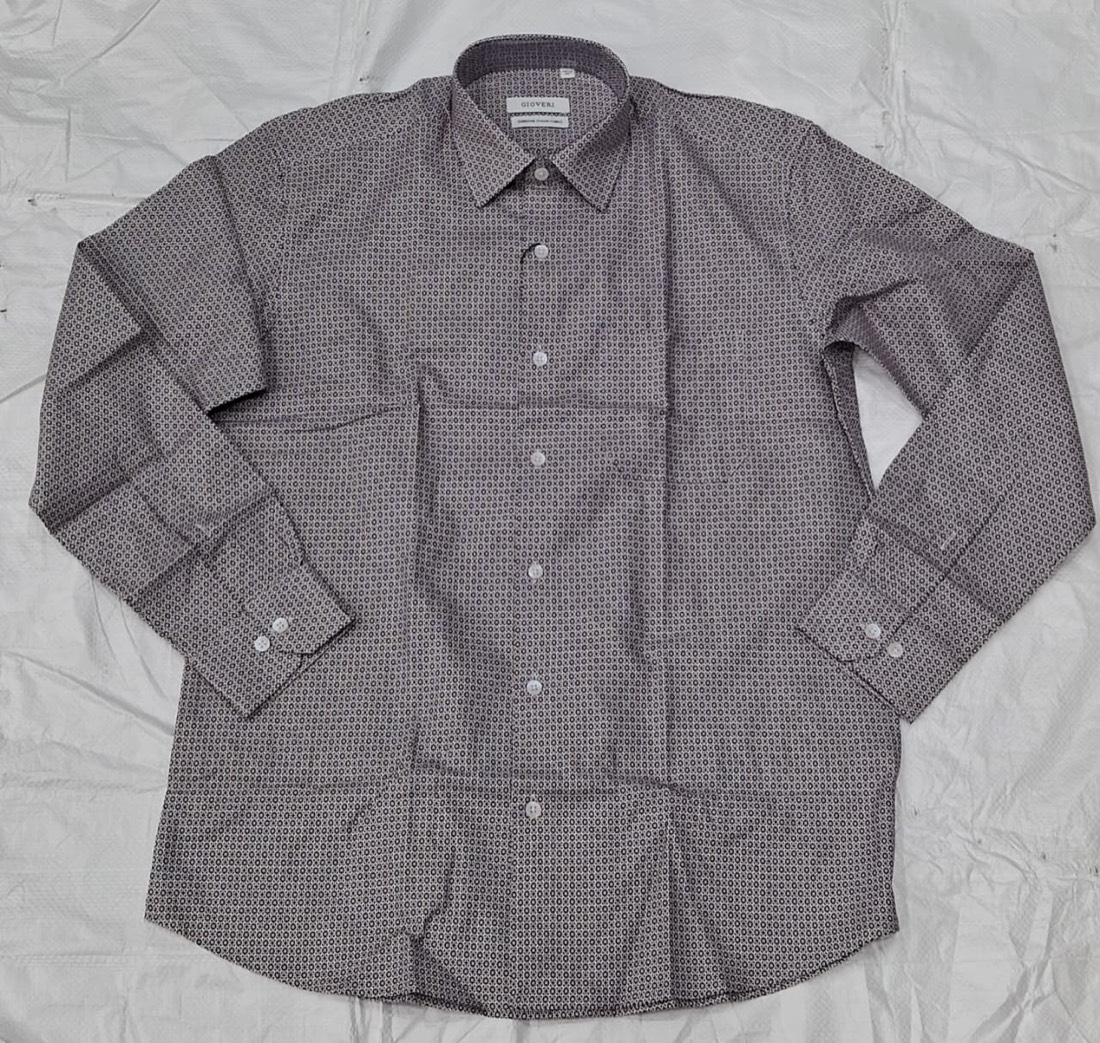
Micro-patterns read as solid from across a room and reveal themselves up close. They add quiet interest to a plain suit without breaking the formality.
Texture at close range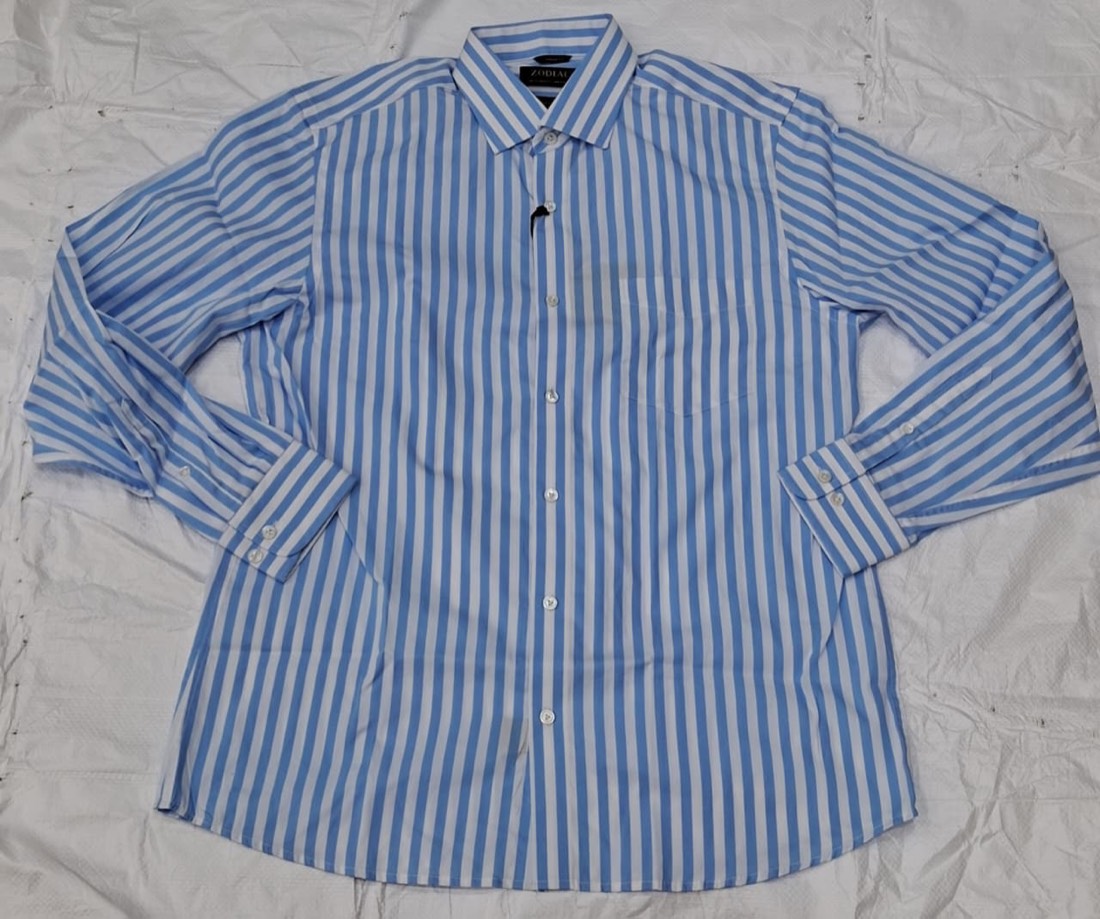
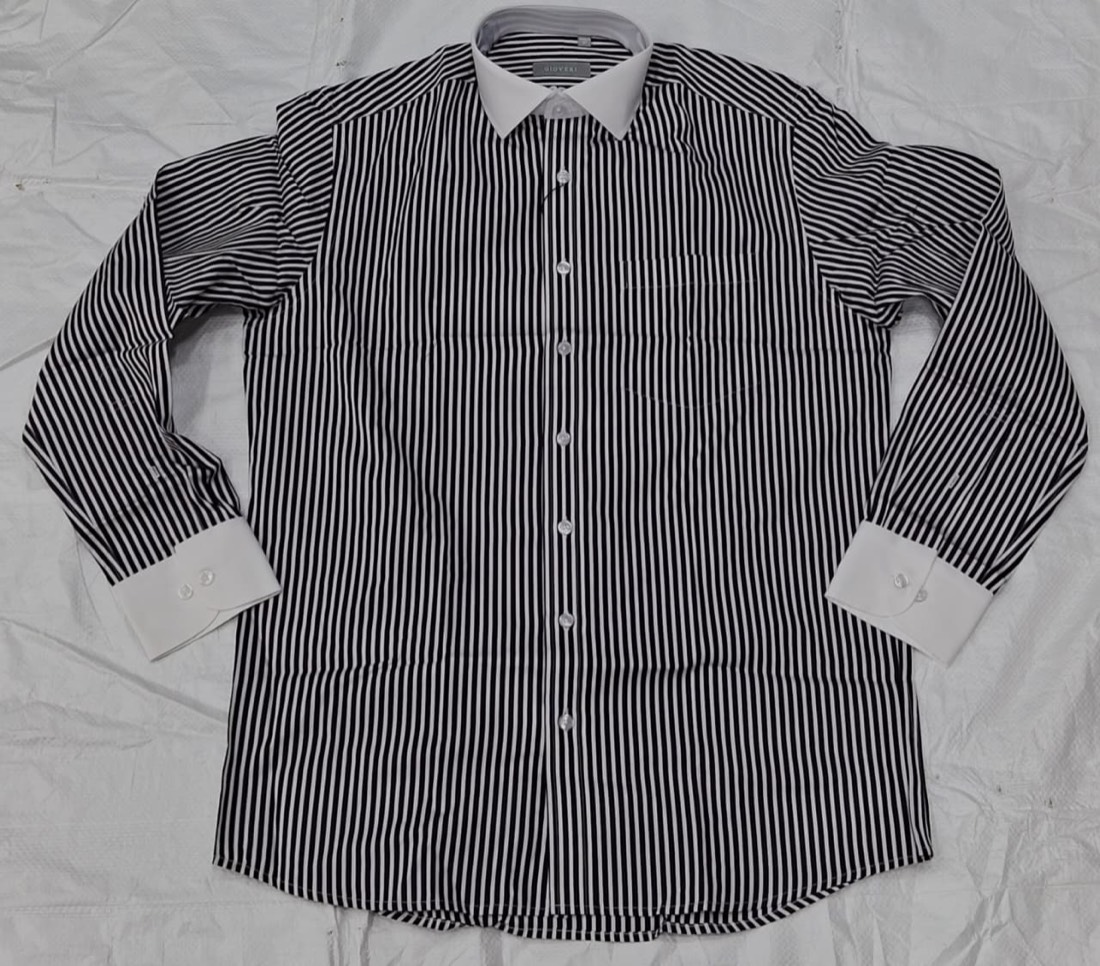
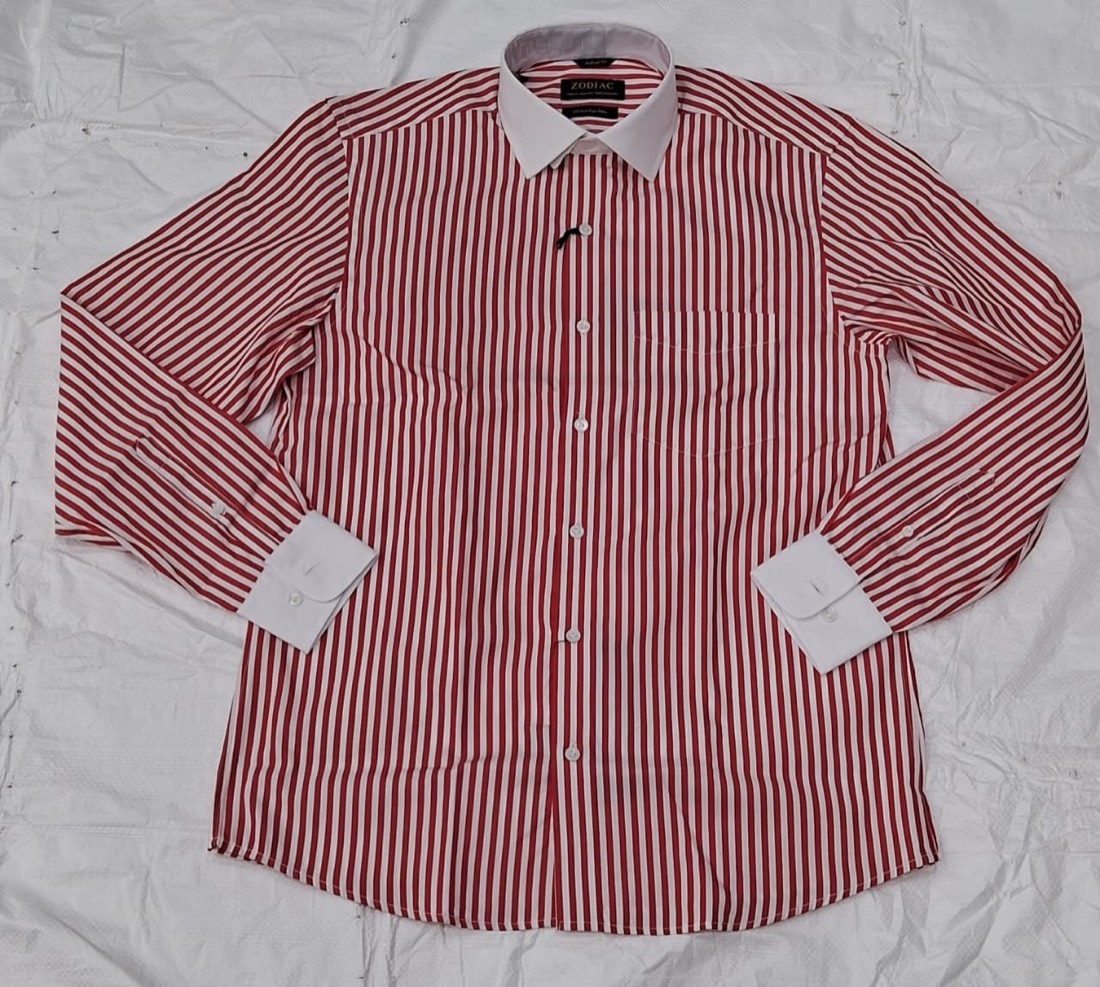
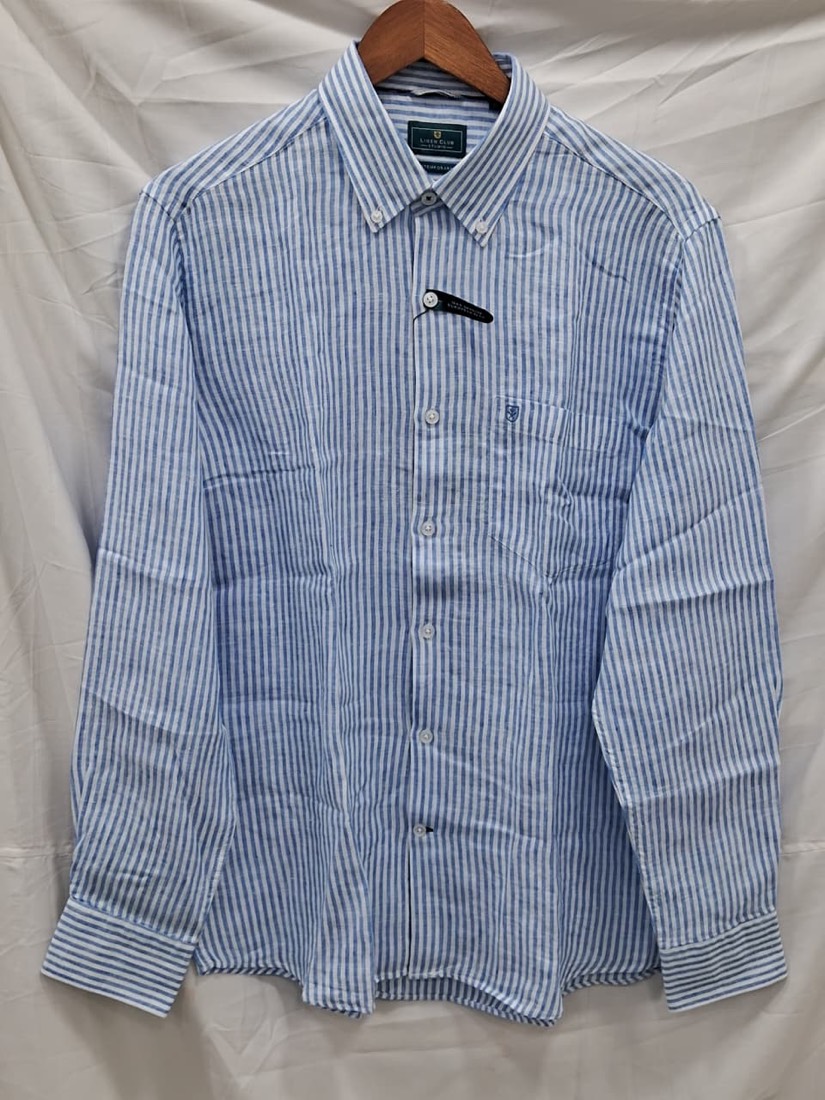
Vertical stripes lengthen the torso and bring energy to the simplest suit. Fine pinstripes stay discreet; bolder bengal stripes speak with more confidence.
Line and rhythm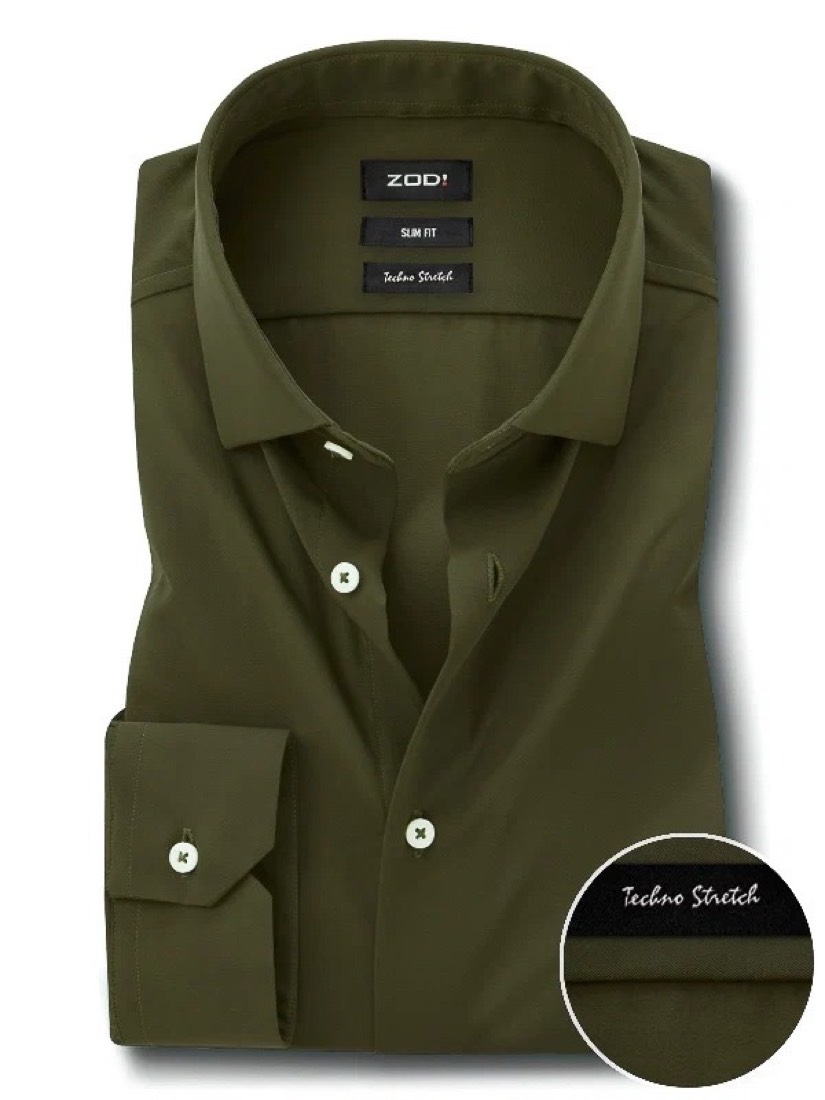
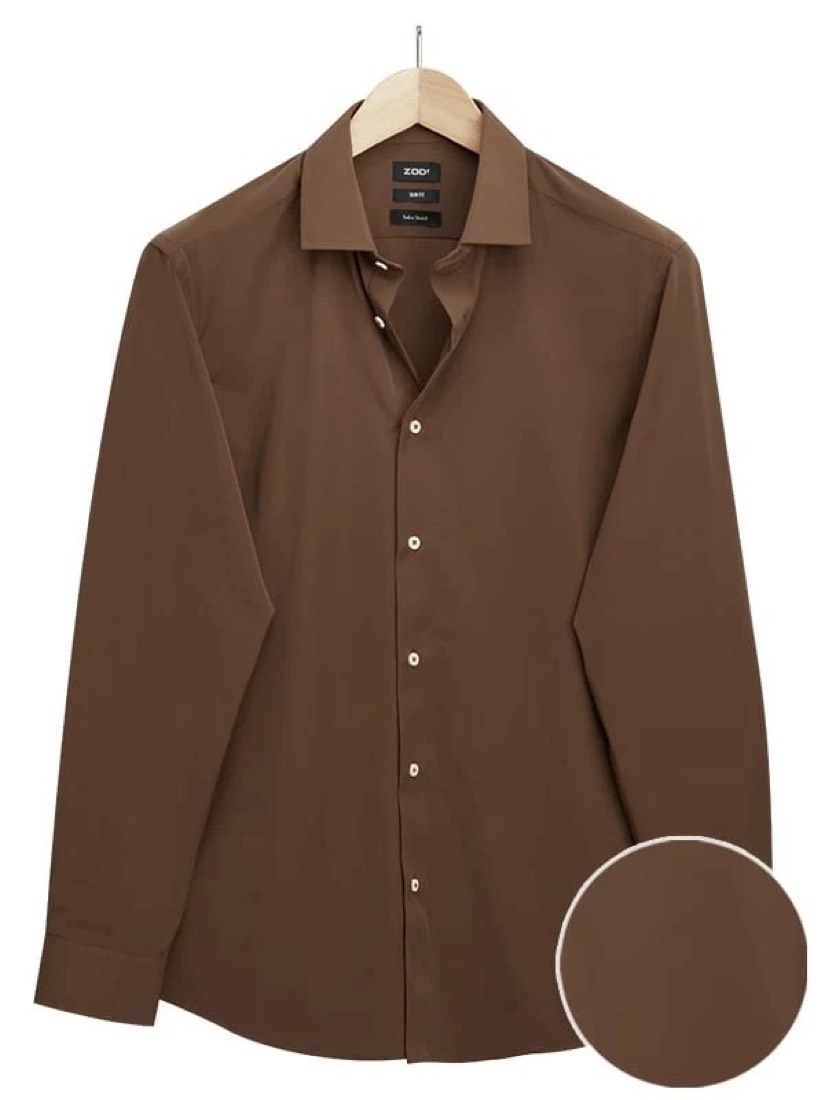
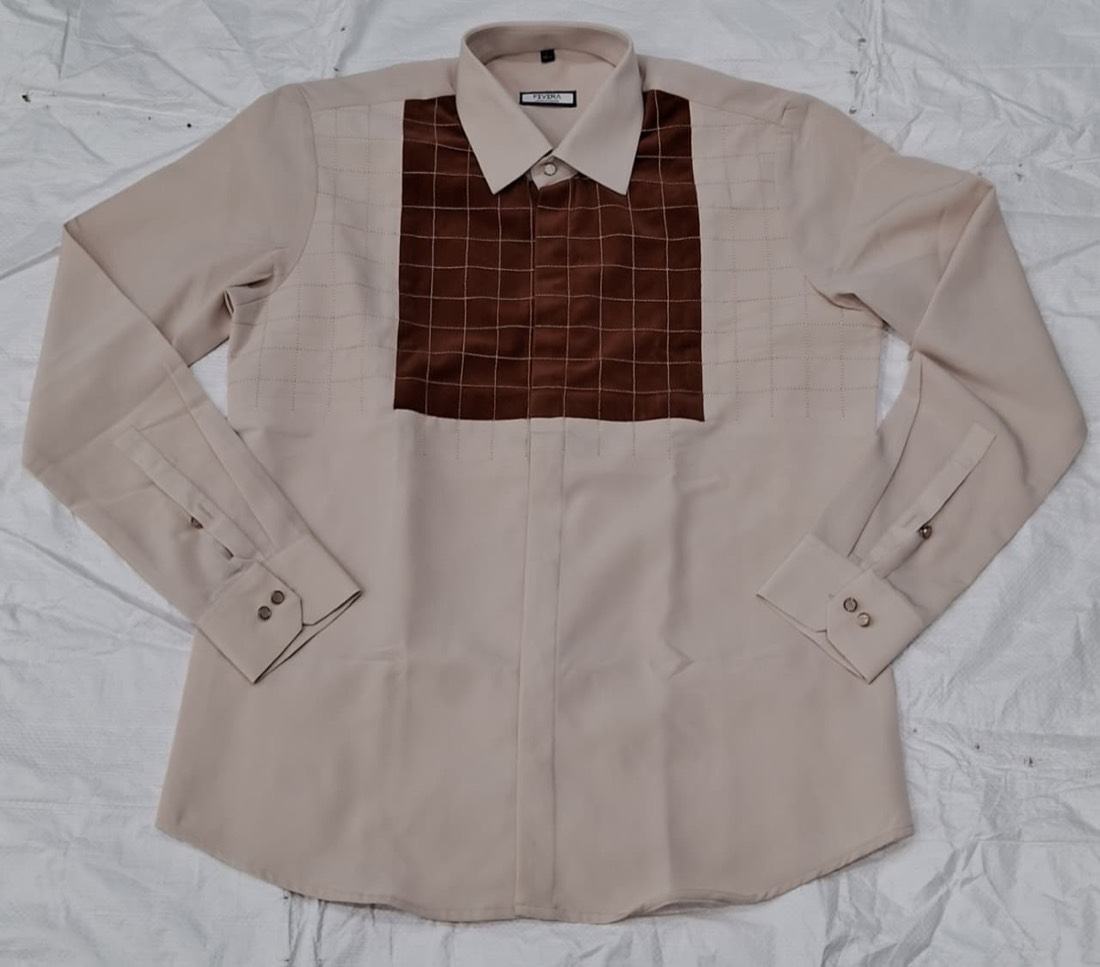
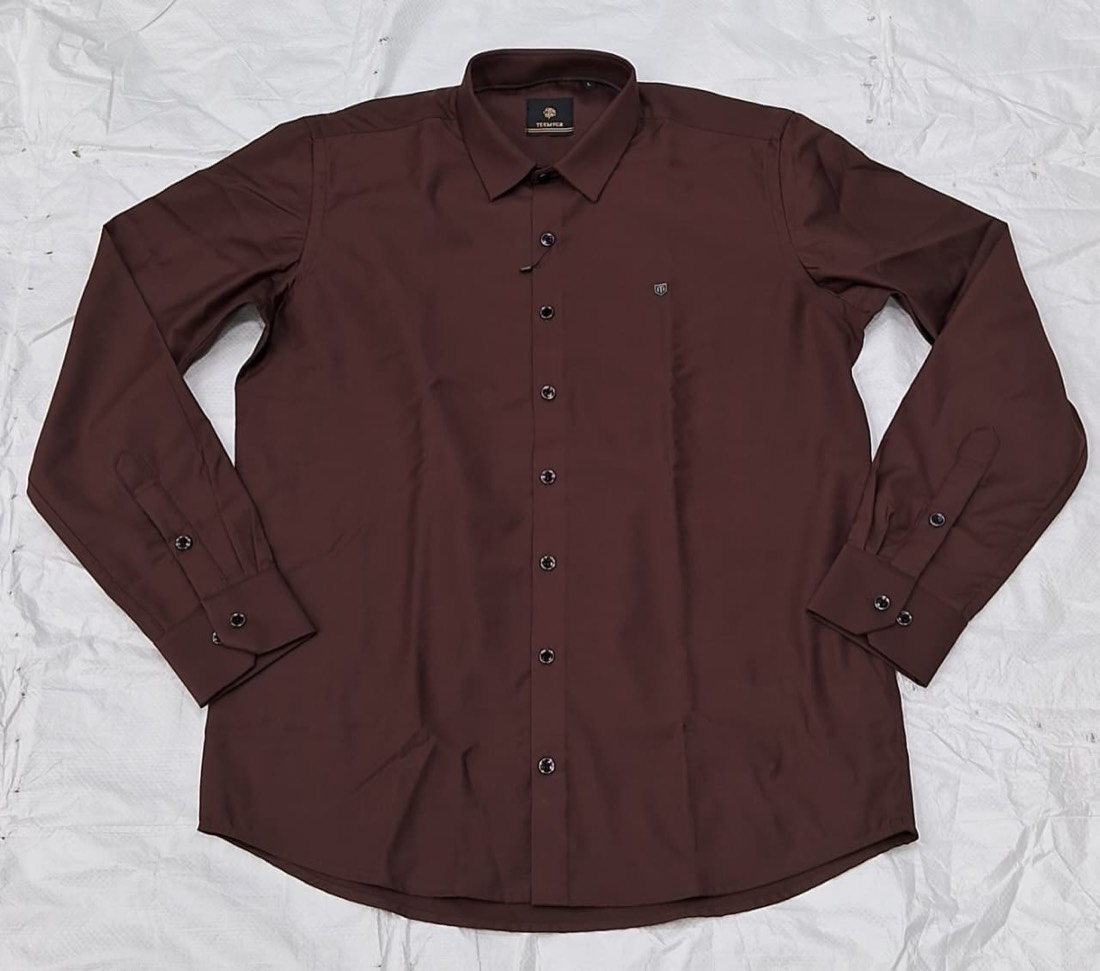
Deeper, earthier solids such as olive, rust and slate suit the contemporary office. Paired with neutral trousers, they feel polished but never stiff.
Today's office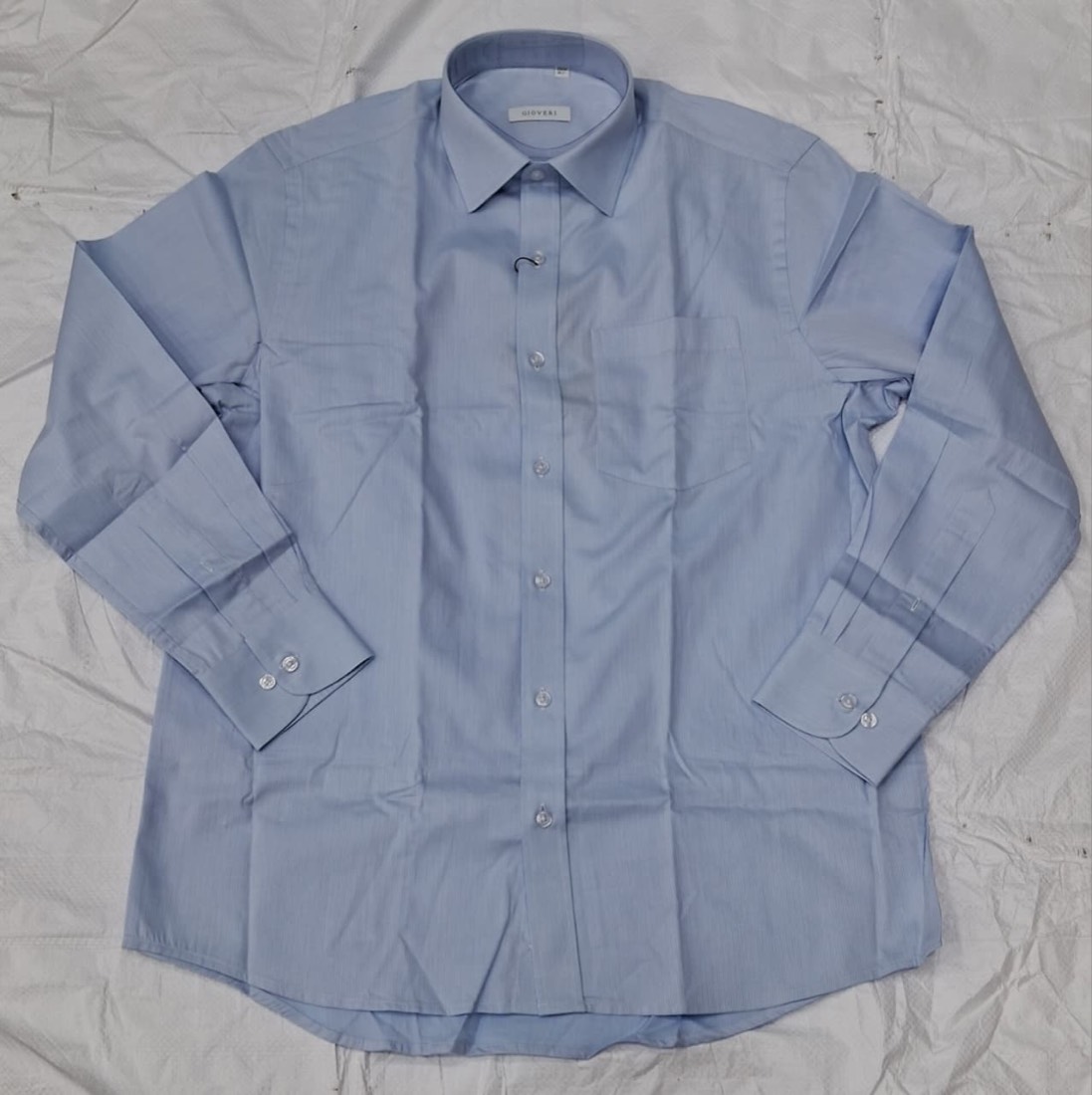
The reliable shirts you reach for on Monday morning: soft solids and gentle textures that pair with almost everything and keep their shape through a long day.
The weekday wardrobeChapter Two
Colour is the first thing people notice and the last thing they forget. The shade of a formal shirt shapes how approachable, authoritative or relaxed you appear, and how easily it works with the rest of your wardrobe. Select a shade to read its story.
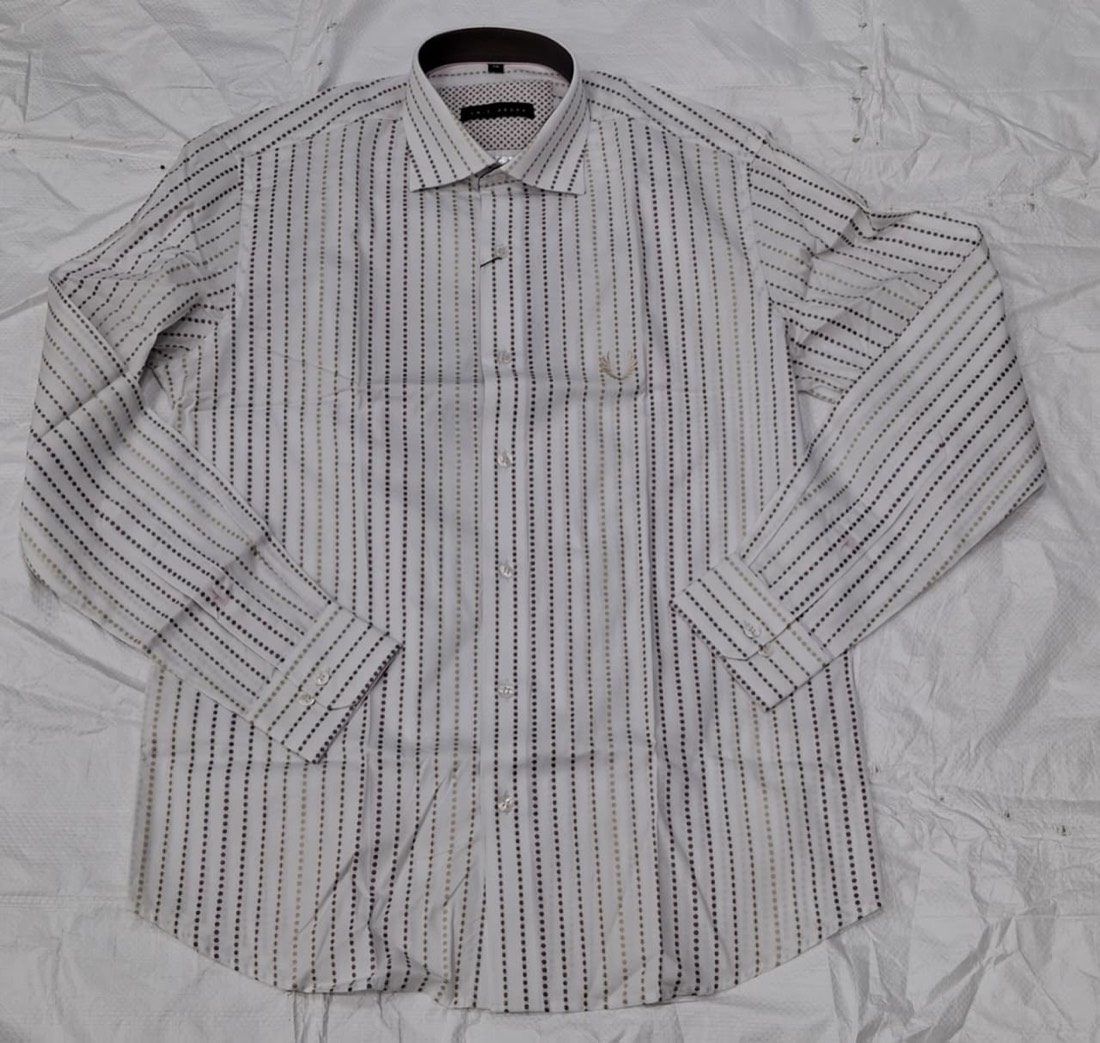
White signals clarity and care. It reflects light onto the face, provides the sharpest backdrop for a tie and is the most formal choice available, which is why it remains the default for interviews, ceremonies and evening events.
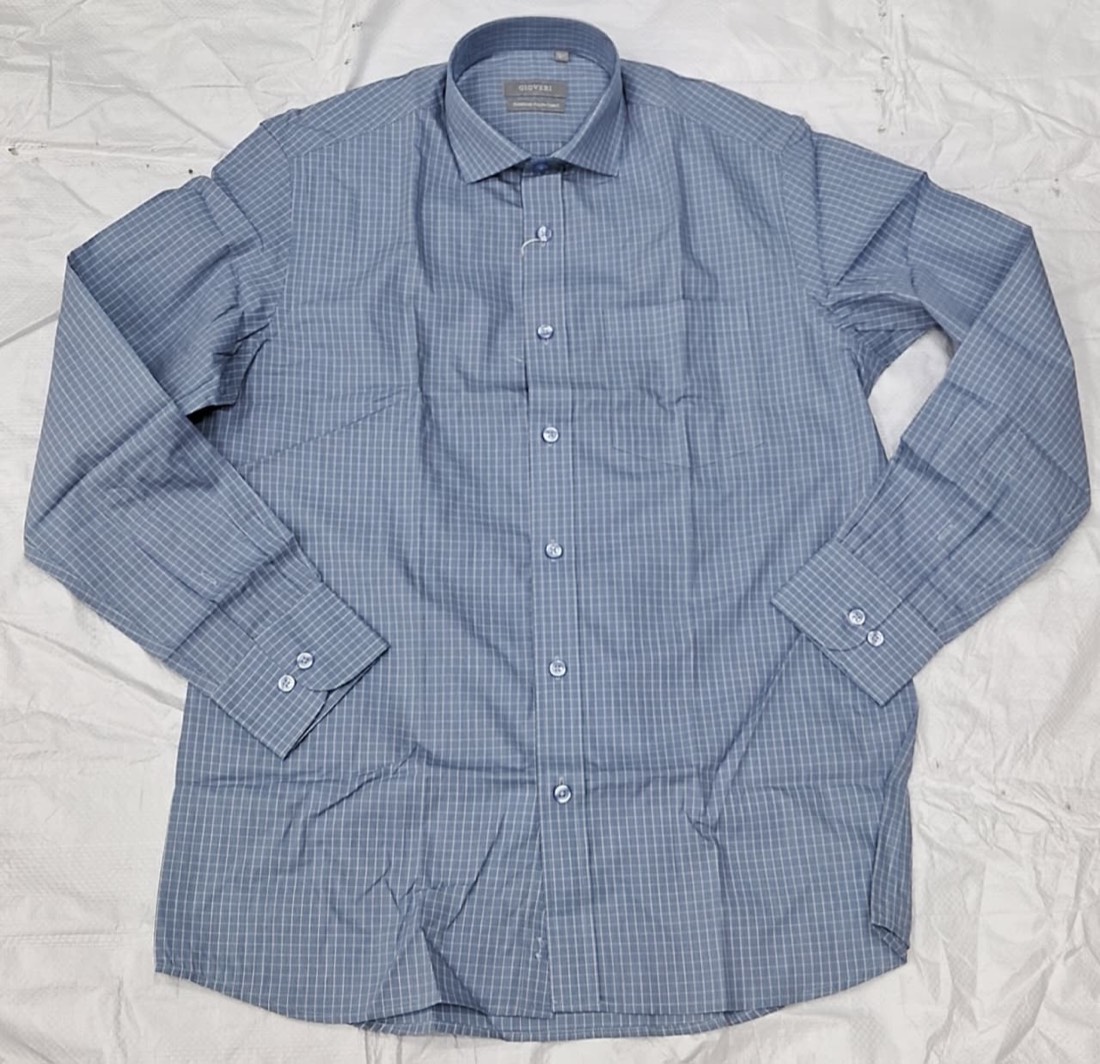
Blue is the most versatile colour in professional dressing. It conveys trust and composure, softens the contrast of dark suits and is forgiving in long meetings and warm weather alike.
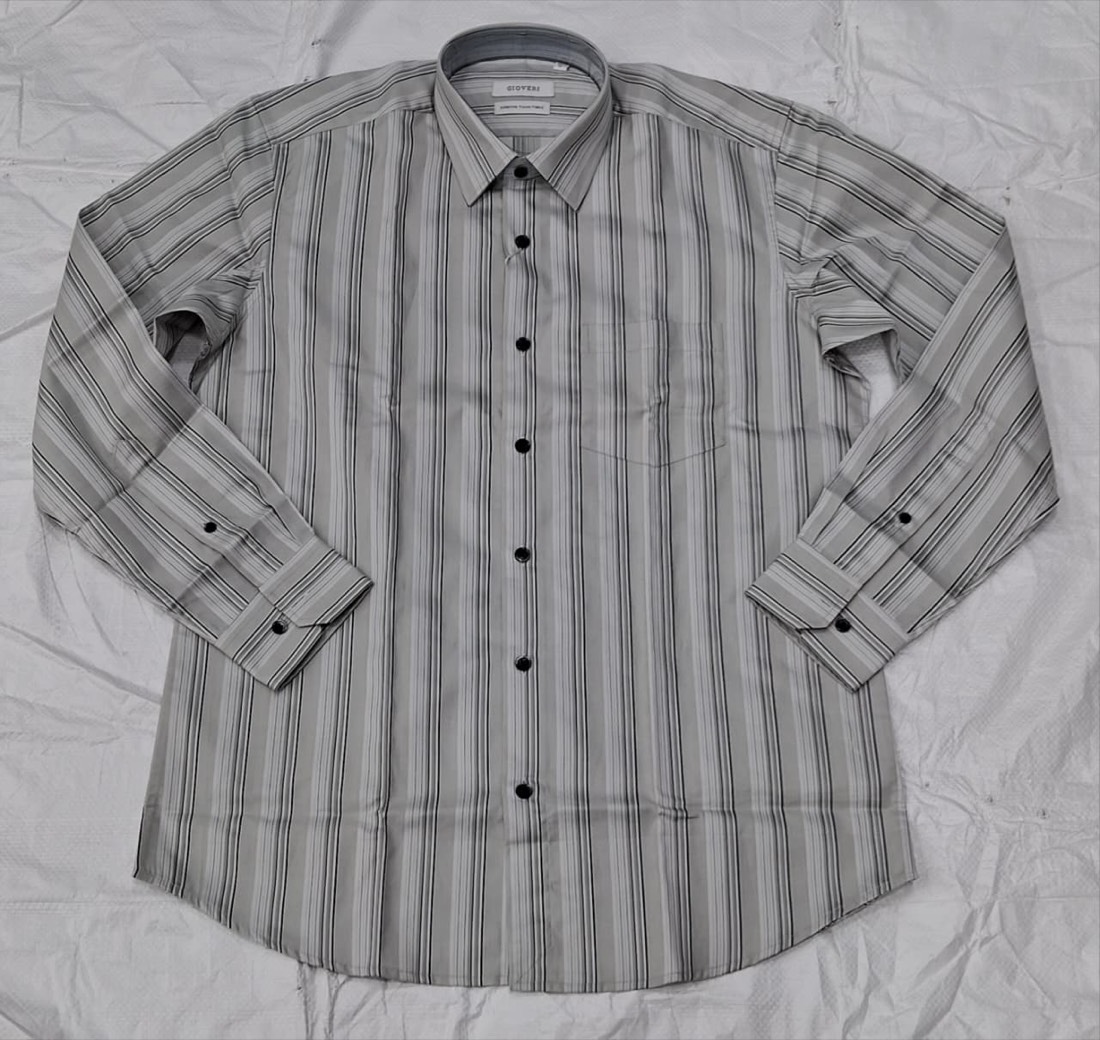
Grey is understated and modern. It creates a tonal, architectural look with charcoal suits and sits comfortably with black, making it a natural choice for evening and creative workplaces.
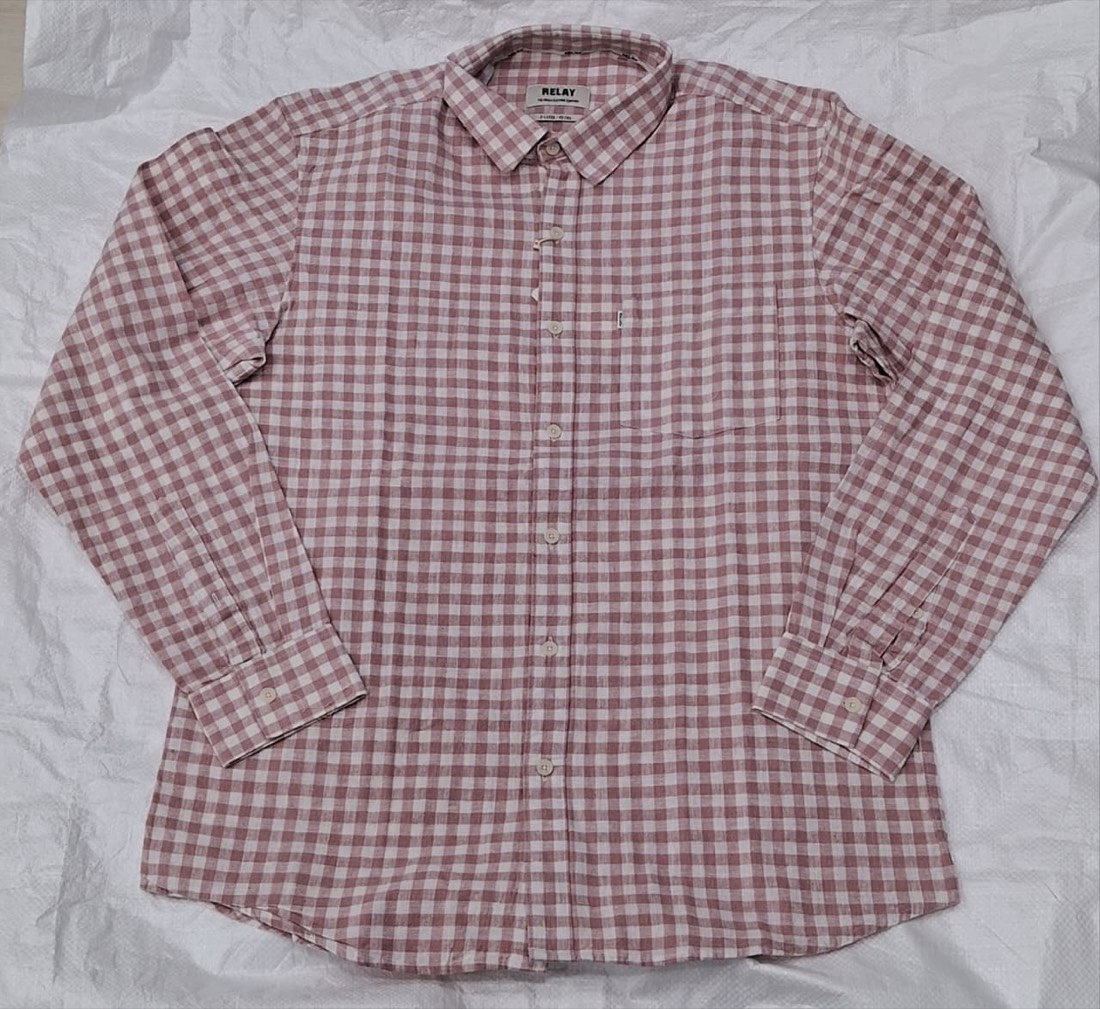
Pale pink, mint, lilac and lemon bring warmth and personality to formal dressing. They are especially welcome in daylight and warm weather, and pair best with mid-toned suits.
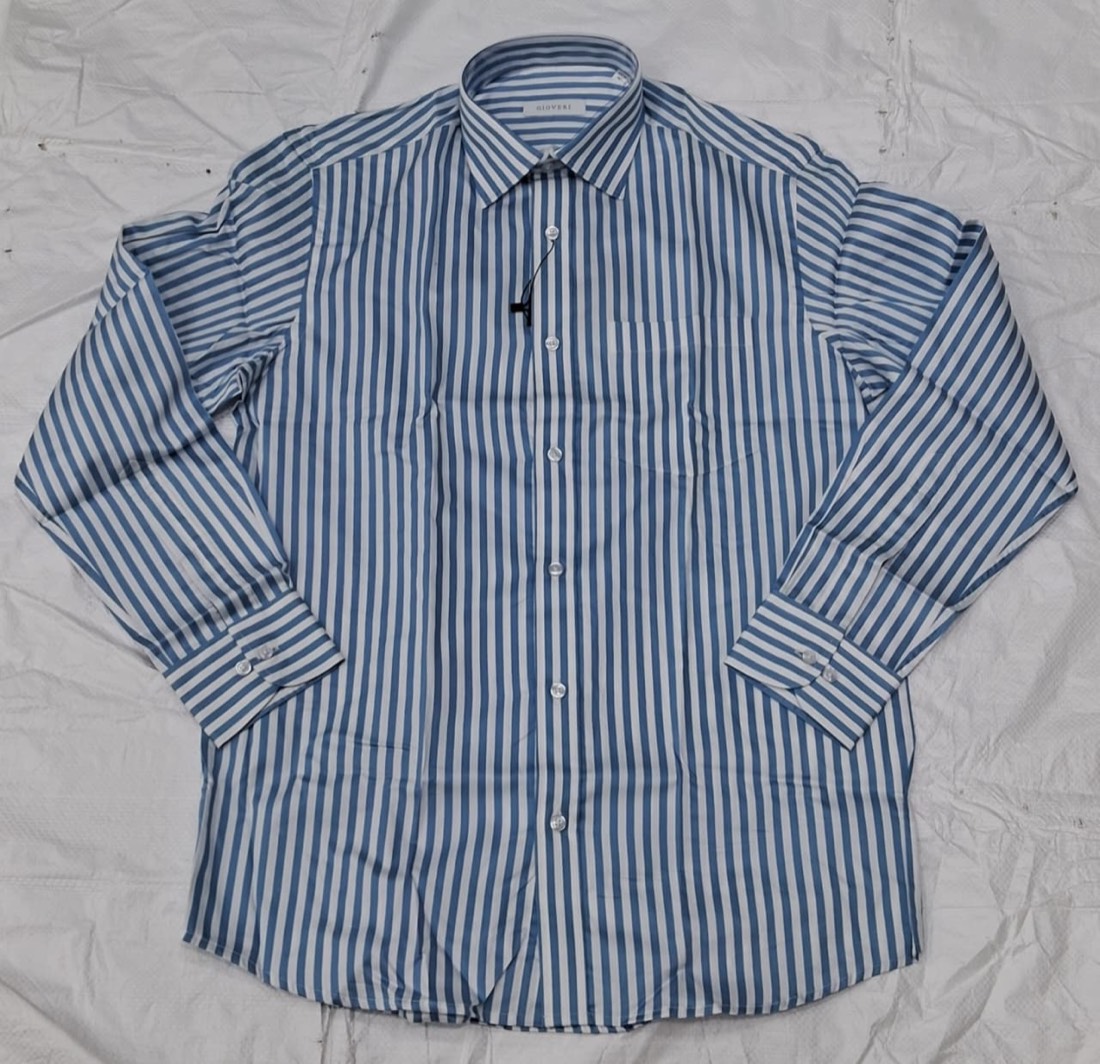
Stripes combine two colours in one shirt, so they bridge the gap between your shirt and your tailoring. Keep the stripe scale different from any patterned tie or suit you wear with it.
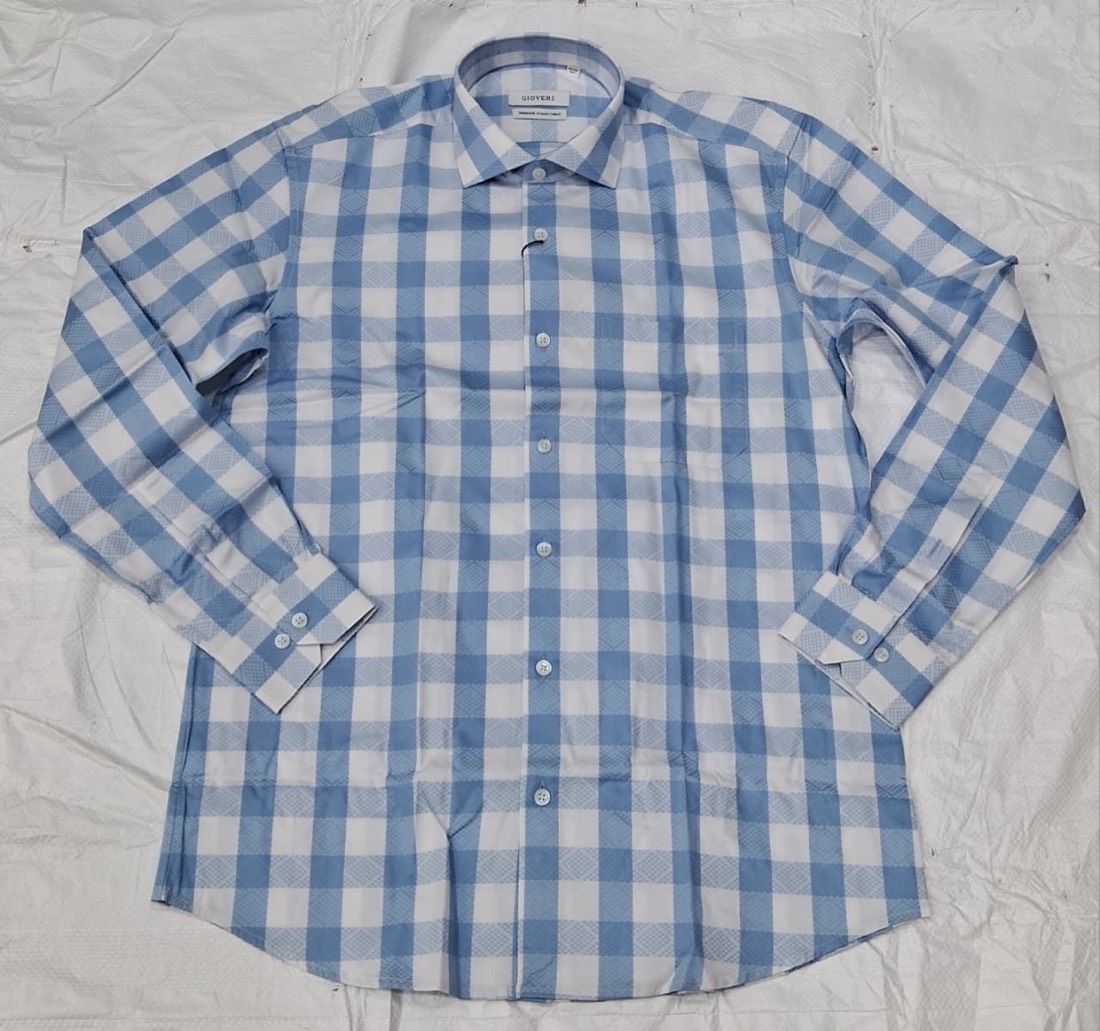
Small checks such as gingham, graph and tattersall soften formality just enough. They suit business-casual days, sit naturally under a blazer and are easy to wear without a tie.
Lighter shirts under darker suits create contrast that reads as formal and authoritative. Reduce that contrast for a softer, more approachable impression.
White and pale blue work with almost everything in a wardrobe. Build around them first, then add pastels, stripes and checks for variety.
Consider your complexion: cool tones flatter with blues and greys, warmer tones with ivory, pink and soft earth shades.
Chapter Three
A formal shirt is judged in centimetres: the roll of a collar, the weight of a button, the line of a seam. These are the details worth noticing.
A well-made collar holds its shape without stiffness. Spread collars suit wider tie knots and broader faces; point collars lengthen the neck; button-downs read more relaxed. Removable or sewn-in stays keep the points sharp.
Barrel cuffs with one or two buttons are practical for every day. French (double) cuffs fold back and fasten with cufflinks for formal occasions. Convertible cuffs offer both.
Look for buttons that are cleanly stitched and sit flat. Contrast stitching or tonal shades can add character, while plain white or matching buttons keep the look formal.
Smooth poplin looks sharp, Oxford weaves feel sturdy and casual, twill has a soft diagonal sheen and dobby weaves carry a tiny woven pattern. Texture changes formality as much as colour does.
Fine, even stitching along the collar, placket and side seams is a quiet sign of care. Neat seams lie flat against the body and keep the shirt looking crisp after washing.
From close-cut slim shirts to roomier classic shapes, the silhouette decides how a shirt drapes beneath a jacket and how neatly it stays tucked in.
Shoulder seams at the edge of the shoulder, a collar that admits two fingers and sleeves that end at the wrist bone: proportion is what makes any shirt look considered. Read the fit guide.
Chapter Four · The Modern Professional
A formal shirt is more than an element of professional dressing. It is an expression of personality, confidence and attention to detail.
Modern business dressing is less about rules and more about judgement: knowing when a crisp white shirt and tie will set the right tone, and when an open collar under a tailored blazer feels more natural.
From client presentations to celebrations after hours, the gentleman who dresses with intention chooses each piece for the moment, and wears it as though he gave it no thought at all.
Chapter Five
A shirt rarely works alone. Here is how it speaks to the pieces around it.
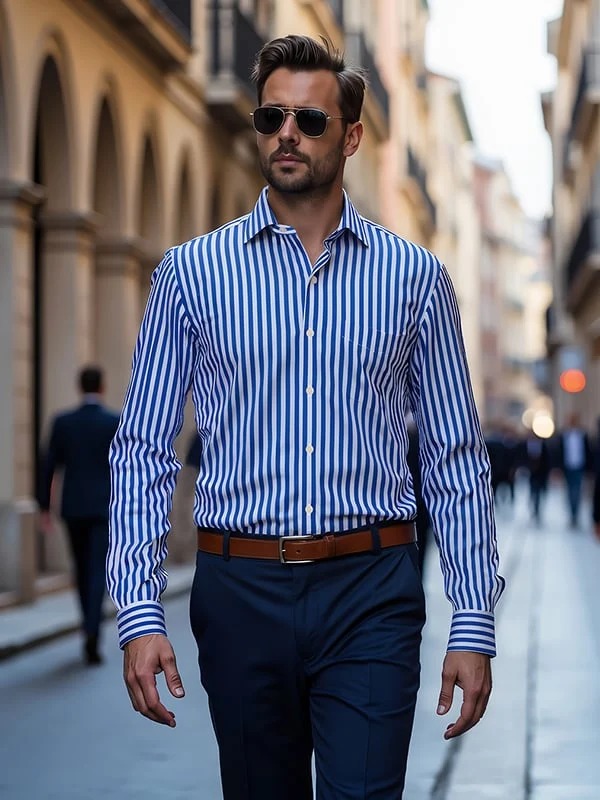
Choose trousers a shade or two darker than your shirt. A flat front and a clean break over the shoe keep the line long, and a full tuck finishes the look.
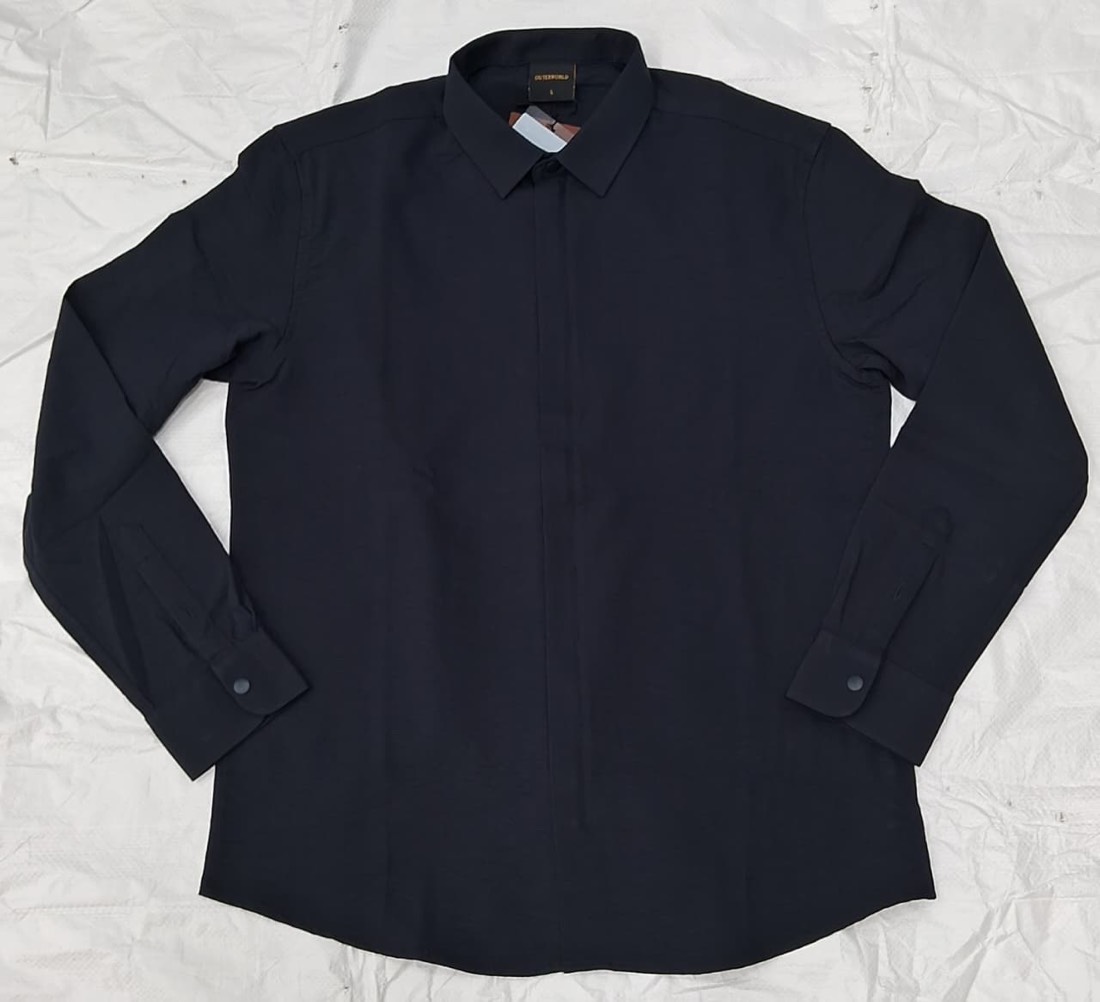
The shirt collar should sit just above the jacket collar, and half an inch of cuff should show beyond the sleeve. Lighter shirts under darker suits remain the most formal pairing.
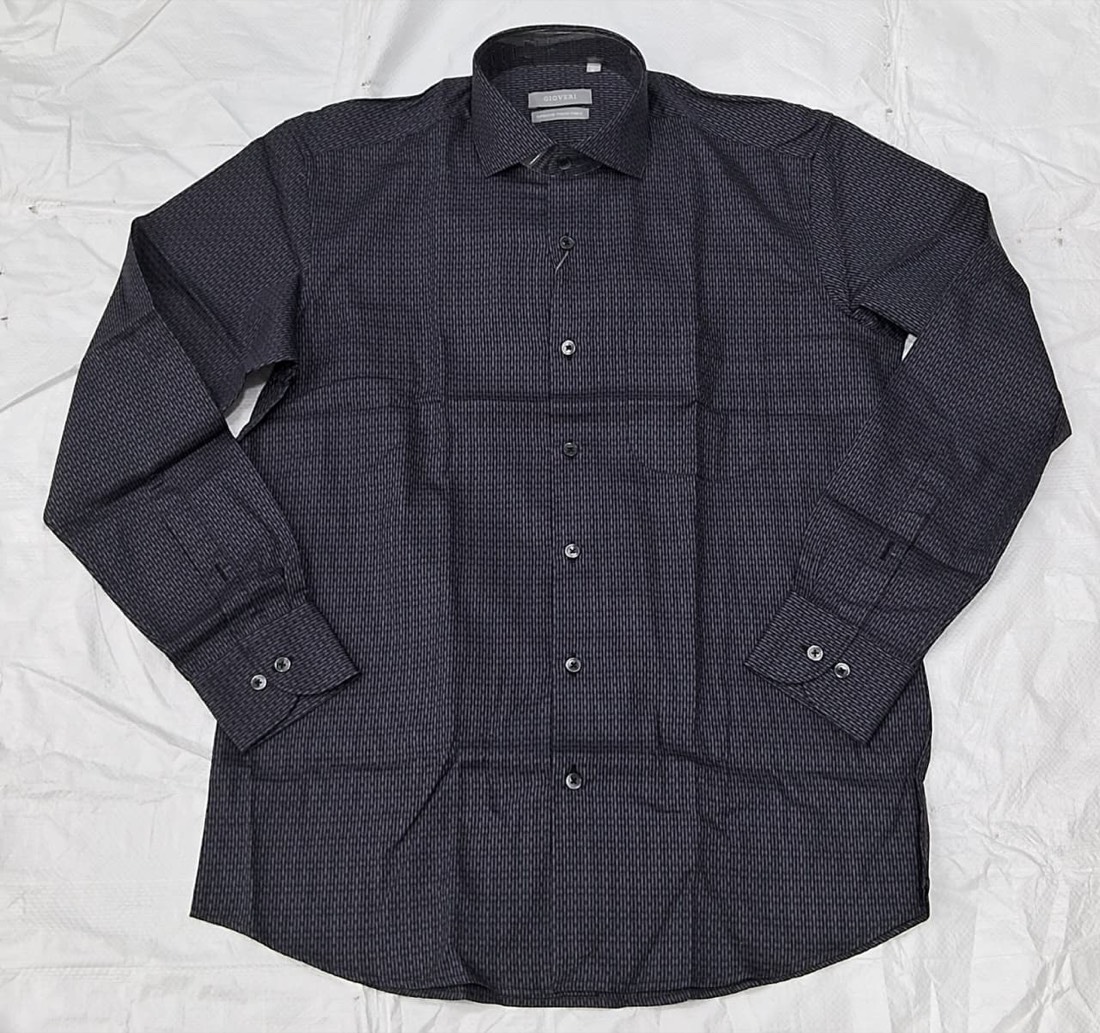
Blazers welcome more texture and pattern. Fine checks, Oxford weaves and soft stripes look natural beneath navy, olive or tan blazers, with or without a tie.
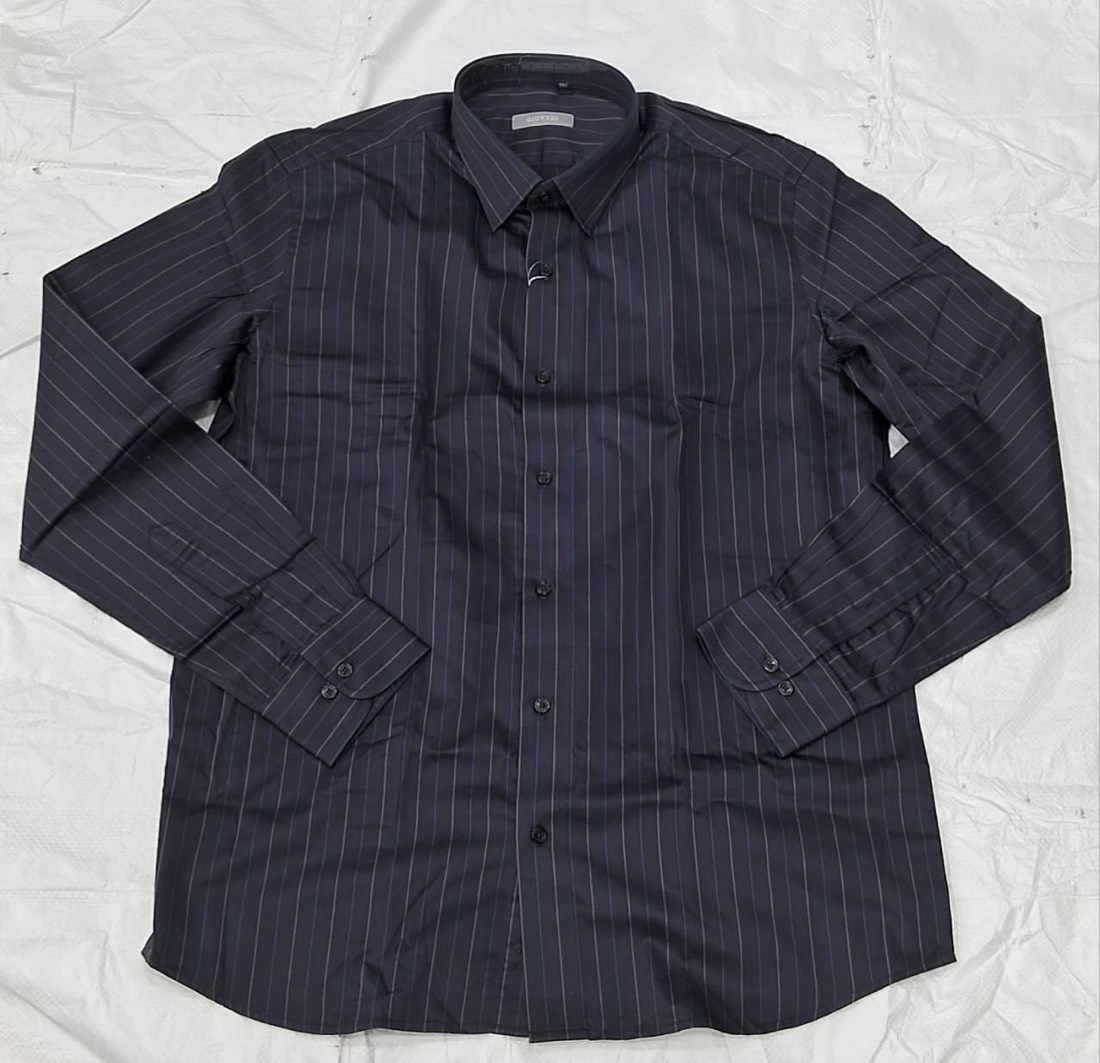
Black Oxfords suit dark suits and white or blue shirts; brown Derbies and loafers soften the look for lighter trousers and patterned shirts. Keep them polished.
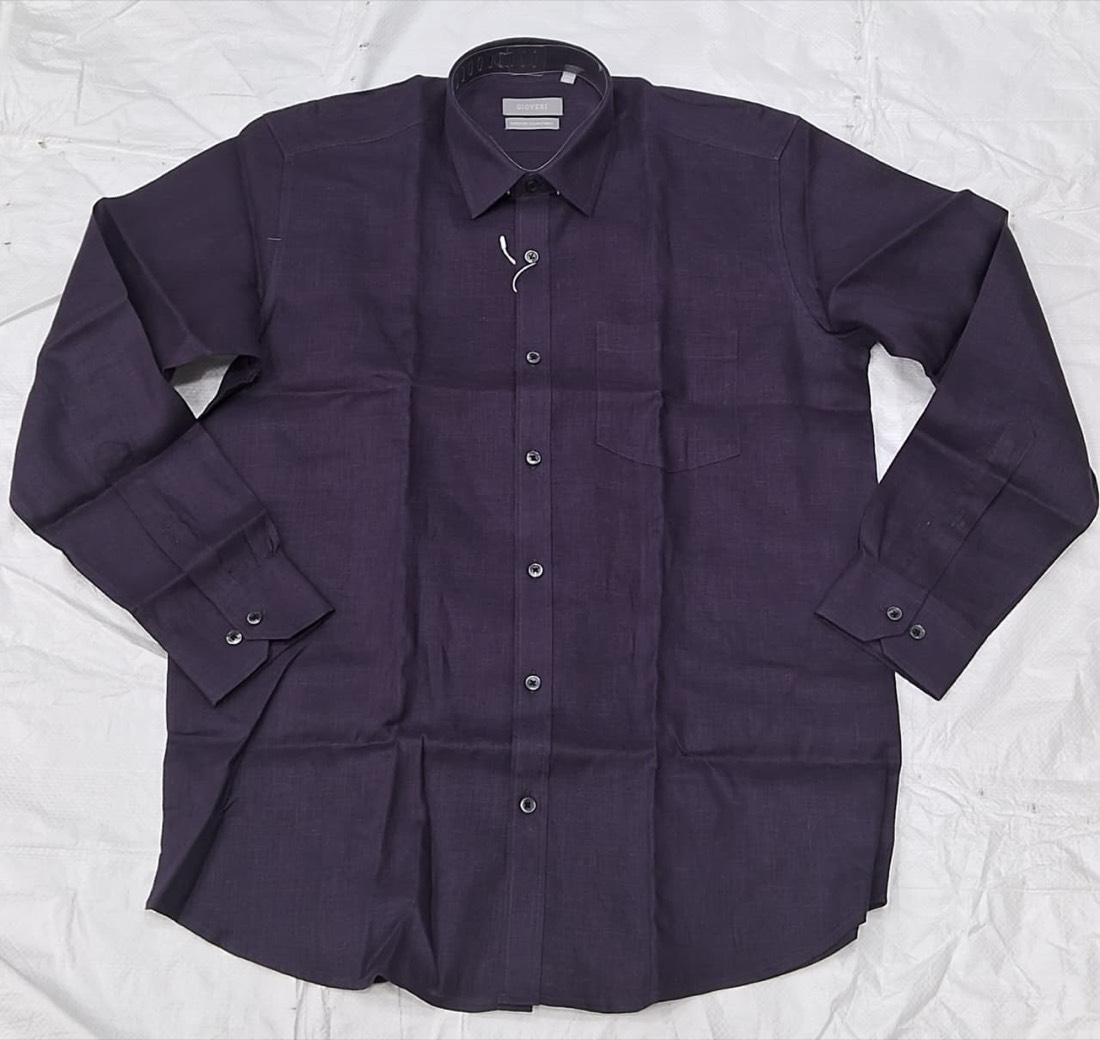
Match the belt to your shoes in colour and finish. A slim leather belt with a simple buckle keeps attention on the shirt and the line of the trousers.
A classic watch, understated cufflinks and a pocket square that echoes (but never matches) the tie. Accessories should complete the outfit, not compete with it.
The House
Chapter Six
Options Mall is a men's clothing destination in Vile Parle West, Mumbai, with a particular affection for the formal shirt, the one garment that appears in nearly every professional wardrobe.
This journal is our way of sharing that affection: an editorial guide to colours, fabrics, fit and styling, written for gentlemen who want to dress well with confidence. Many readers find us while searching for formal shirts in Thane or across Mumbai; whichever direction you travel from, you are welcome to visit, call or write to us.
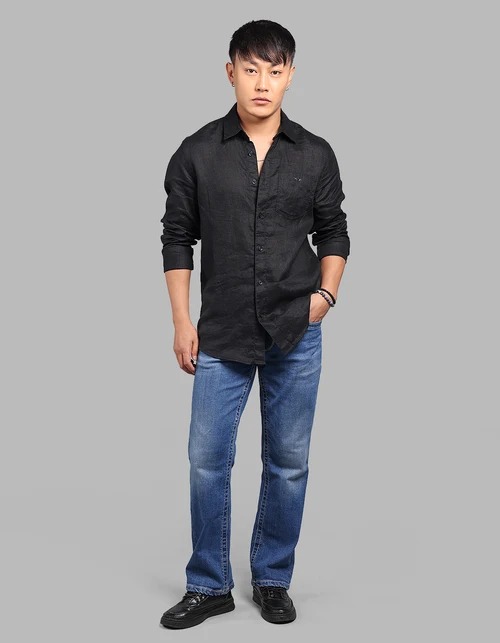
Explore the timeless language of men's formal fashion.